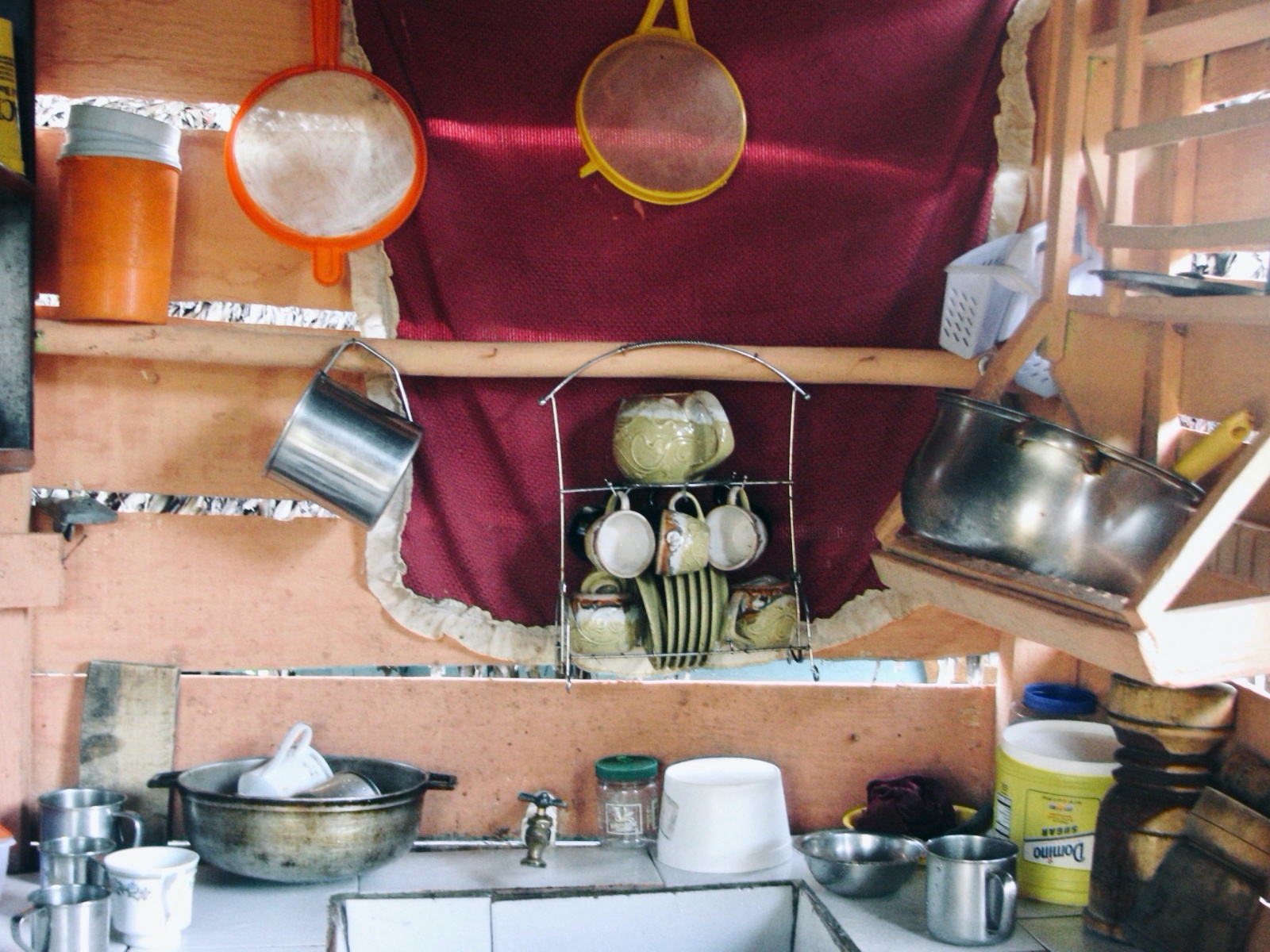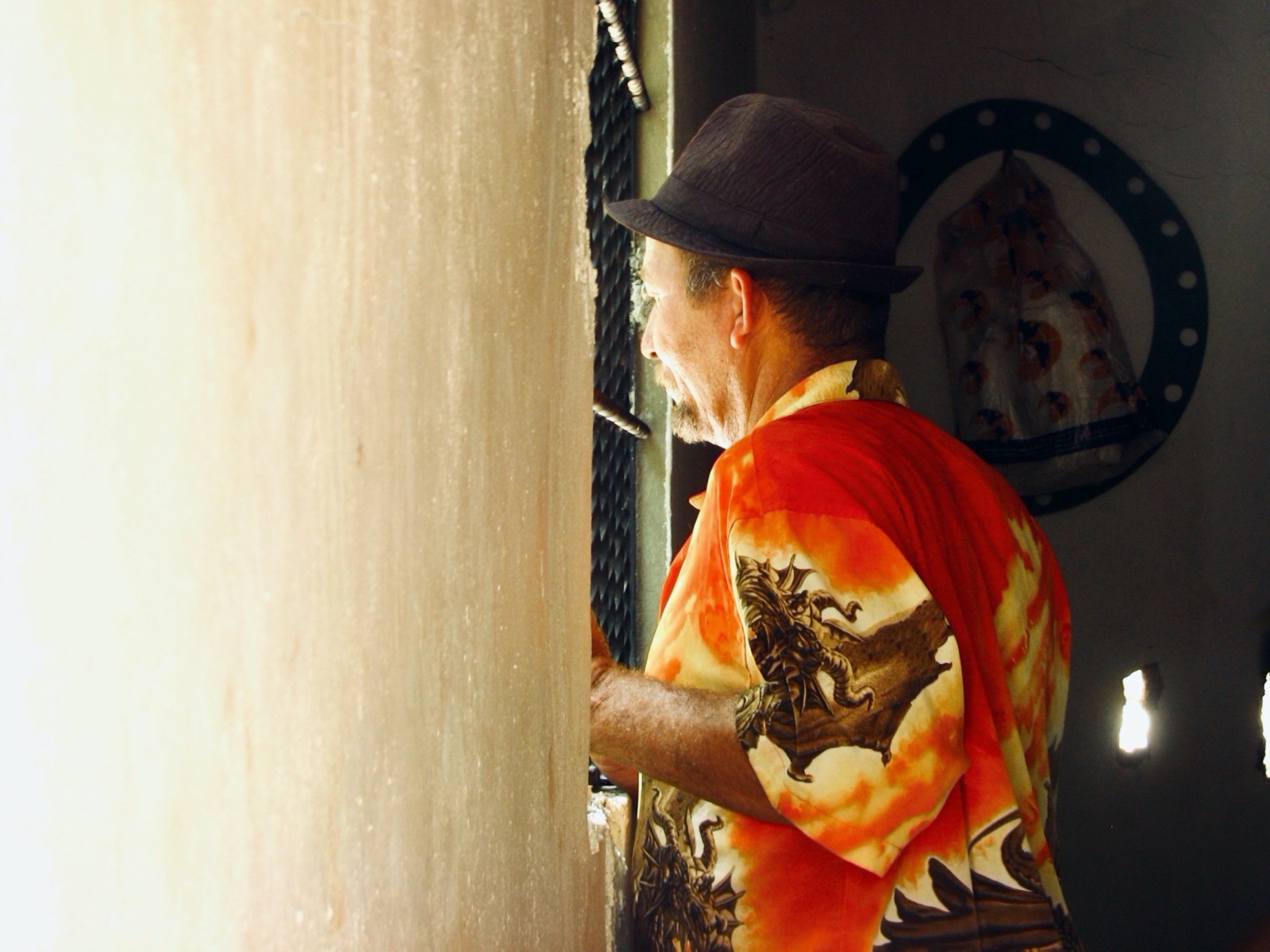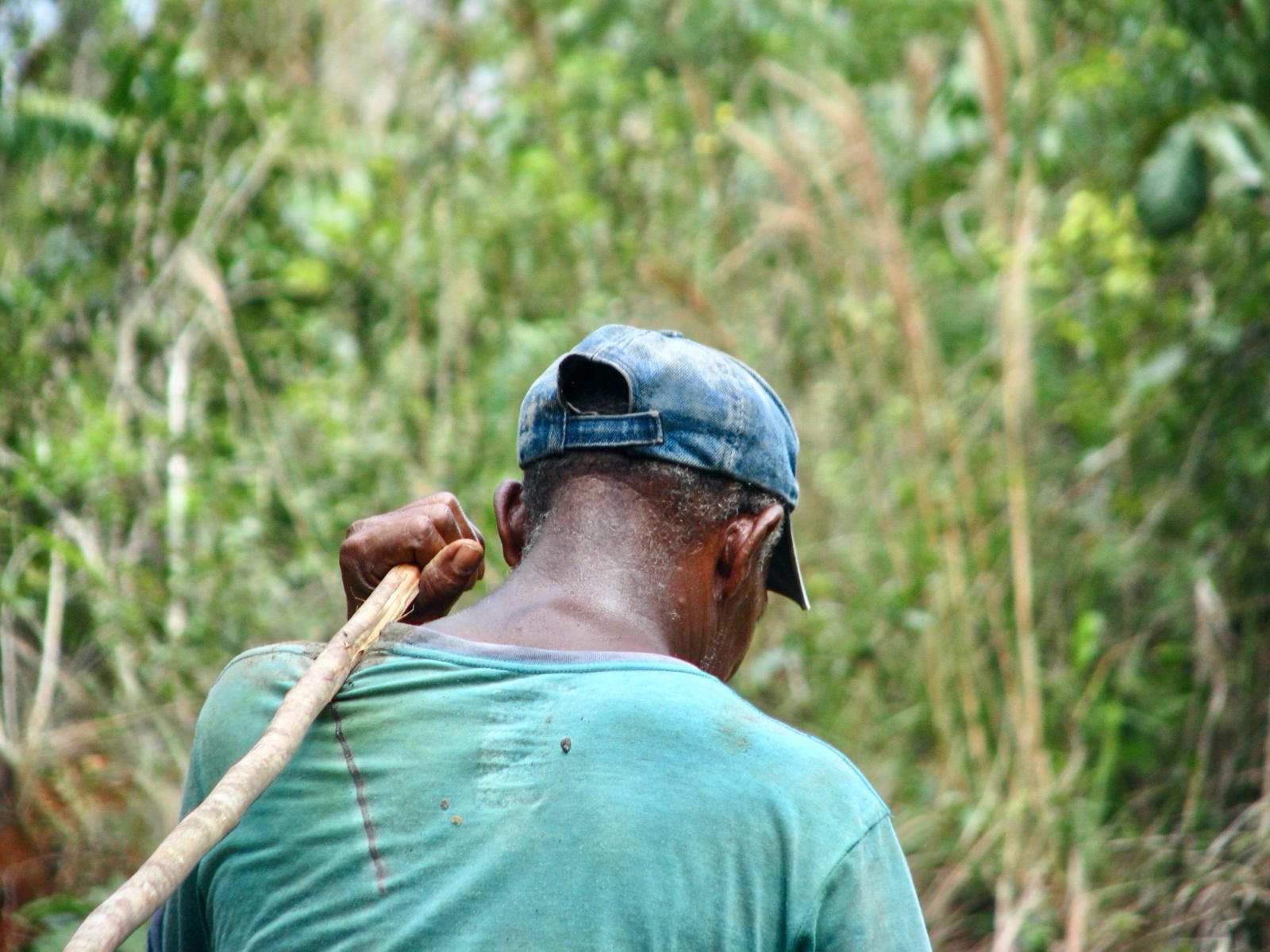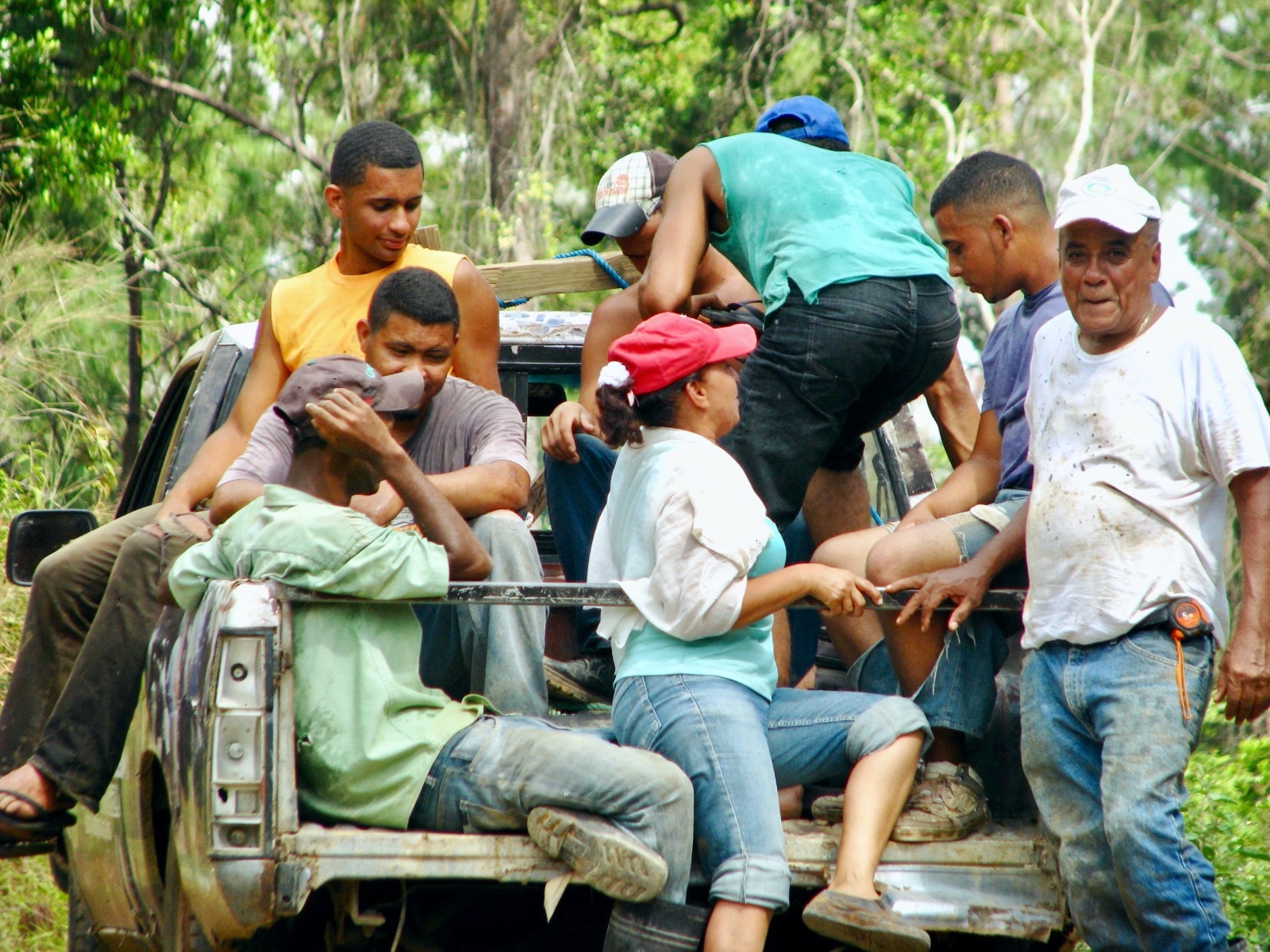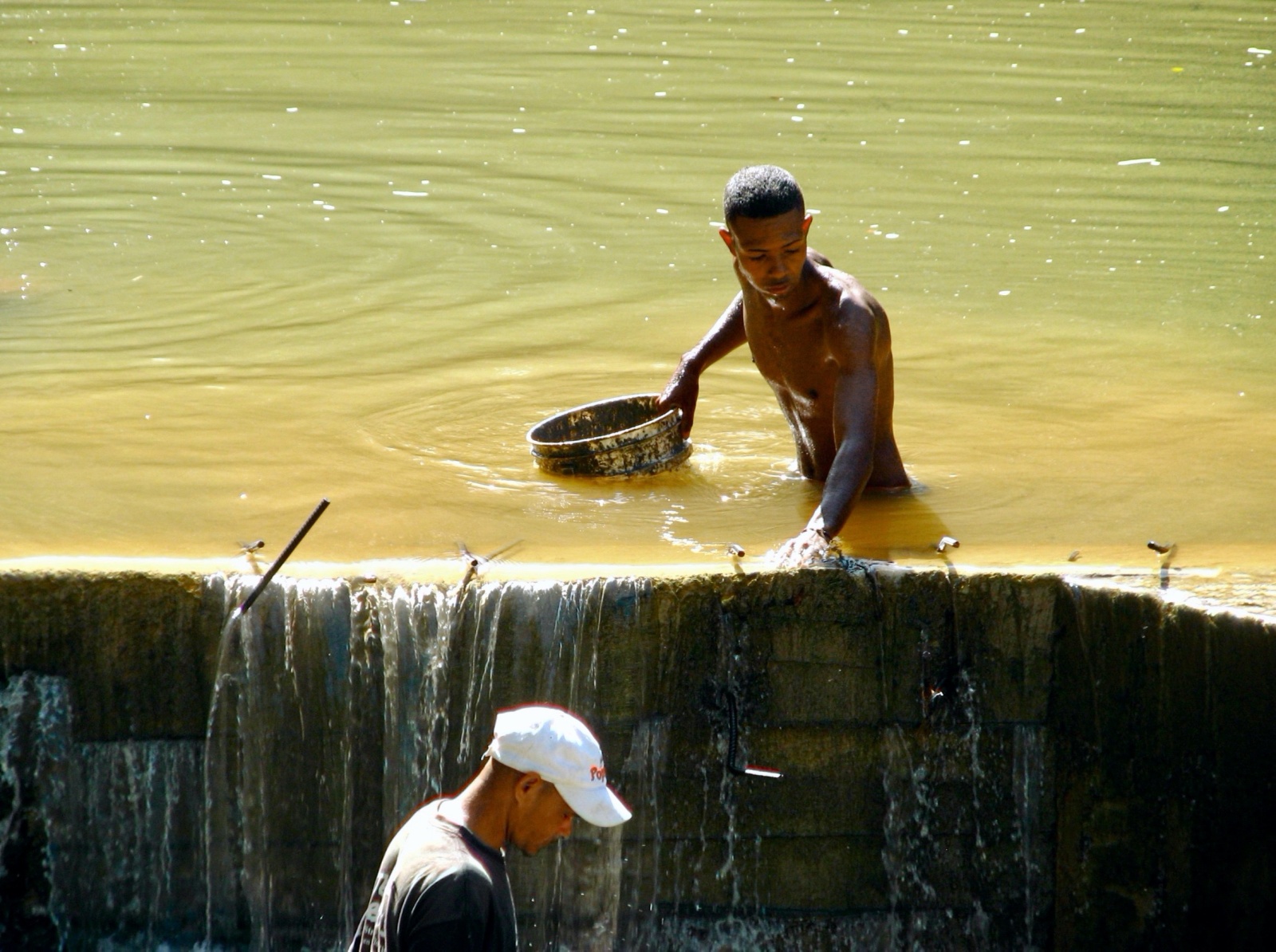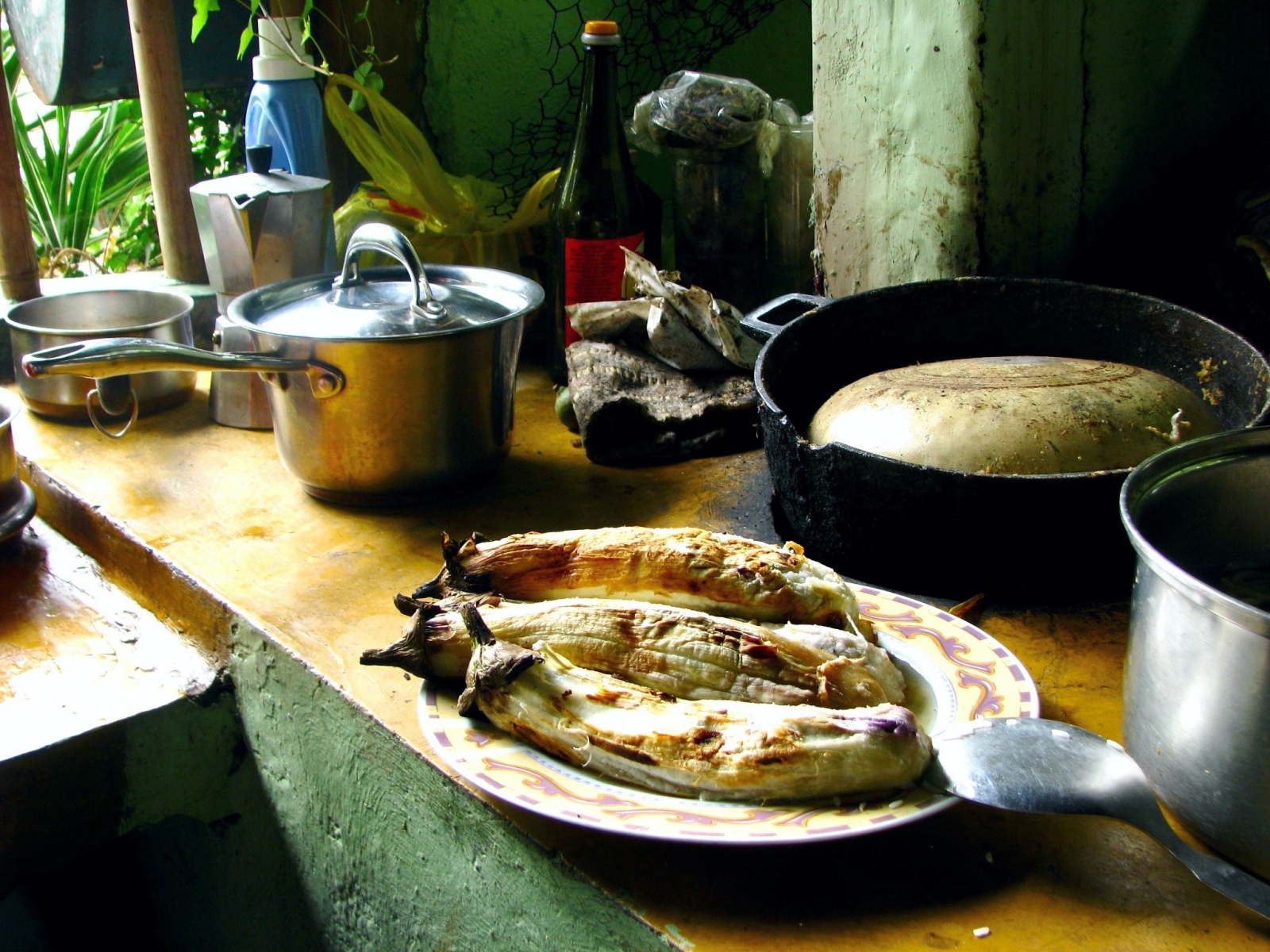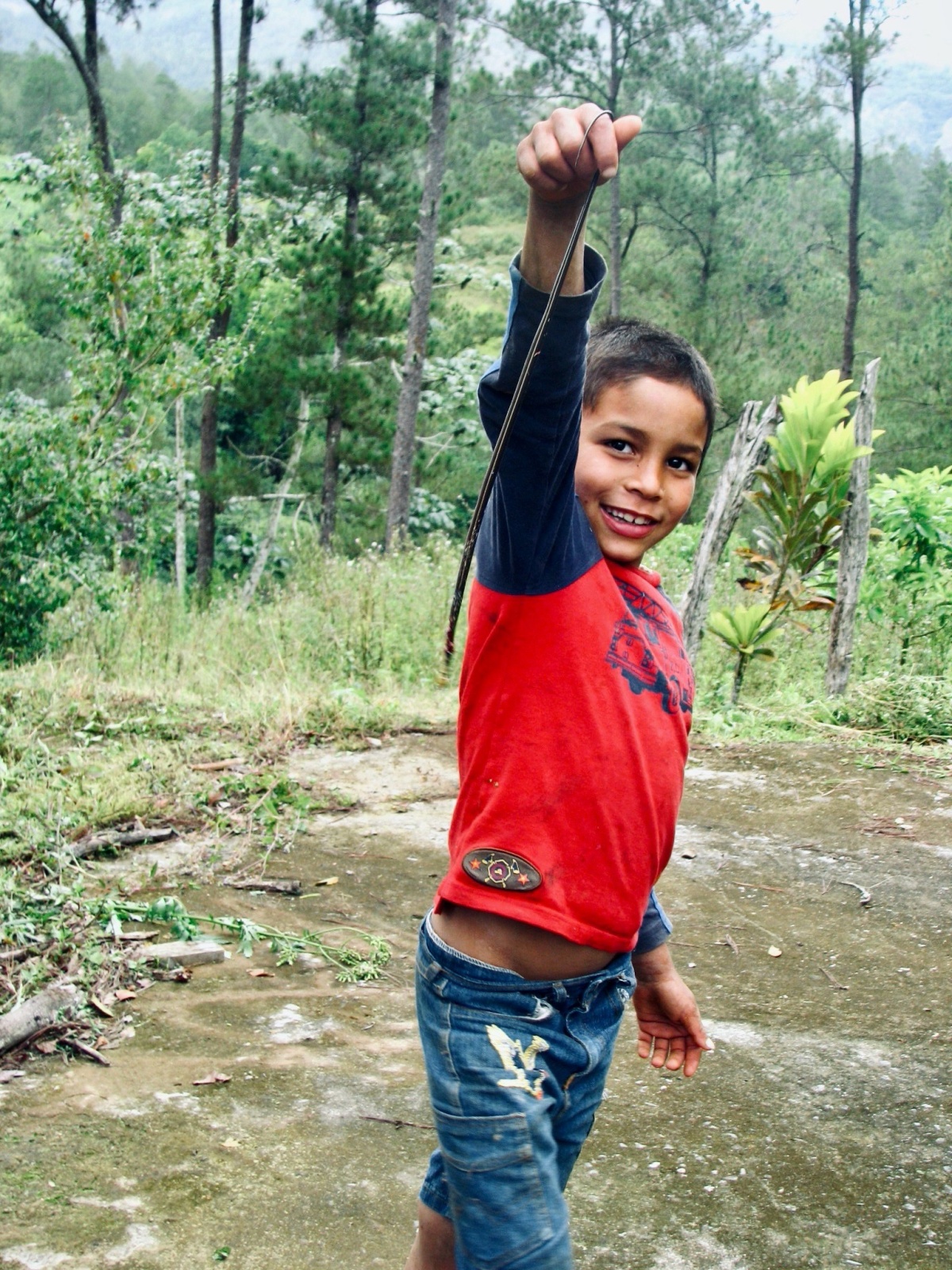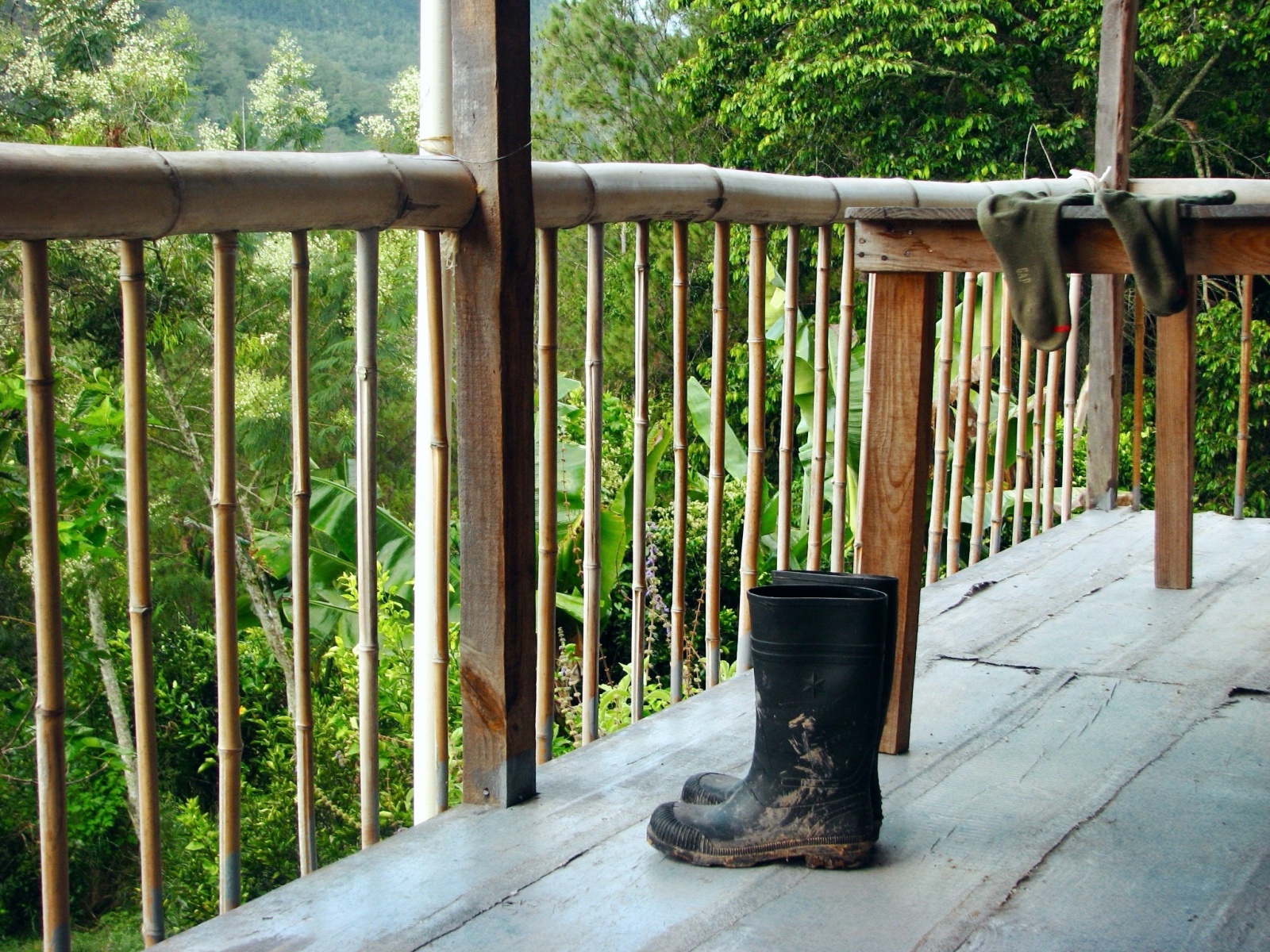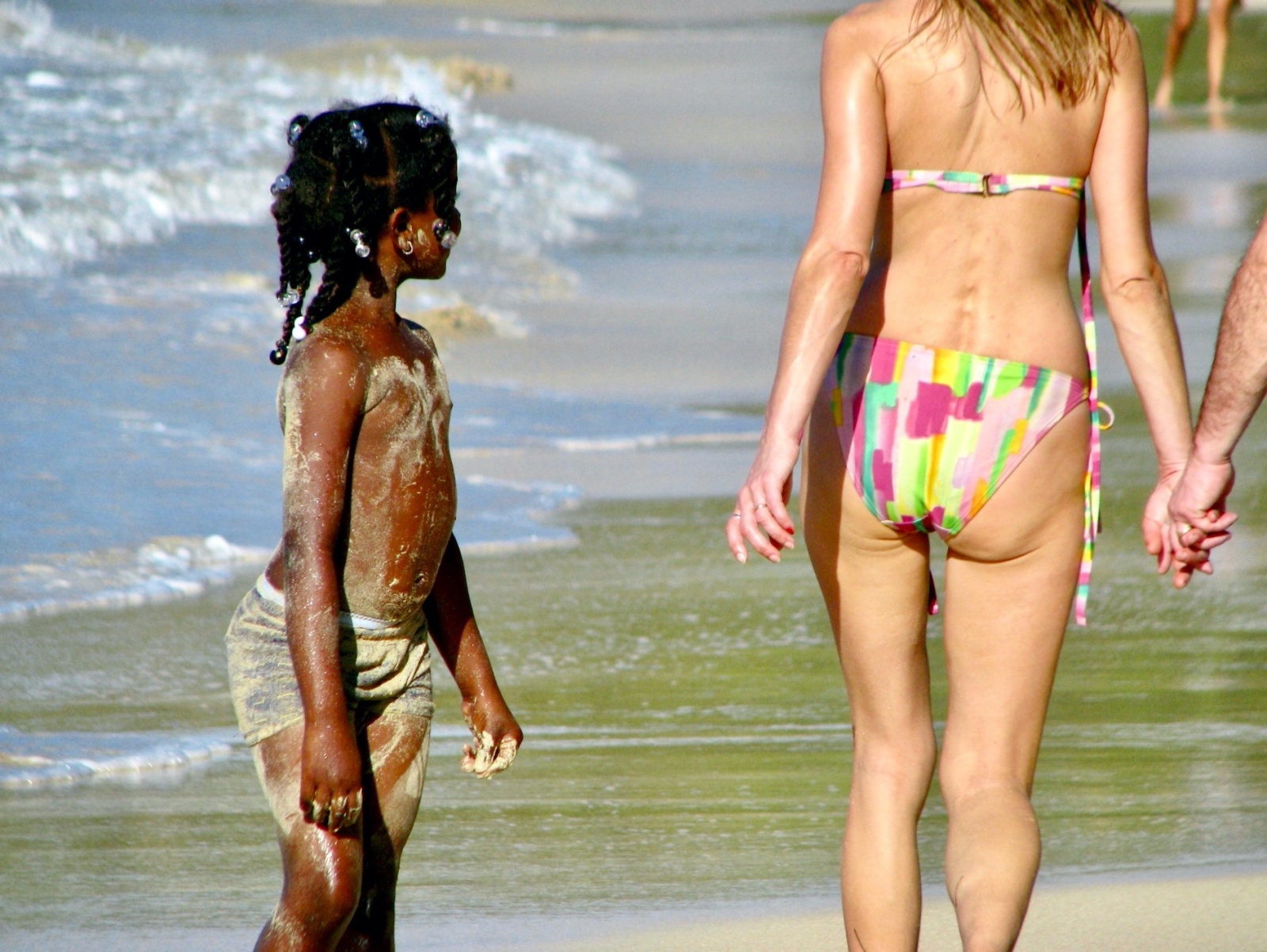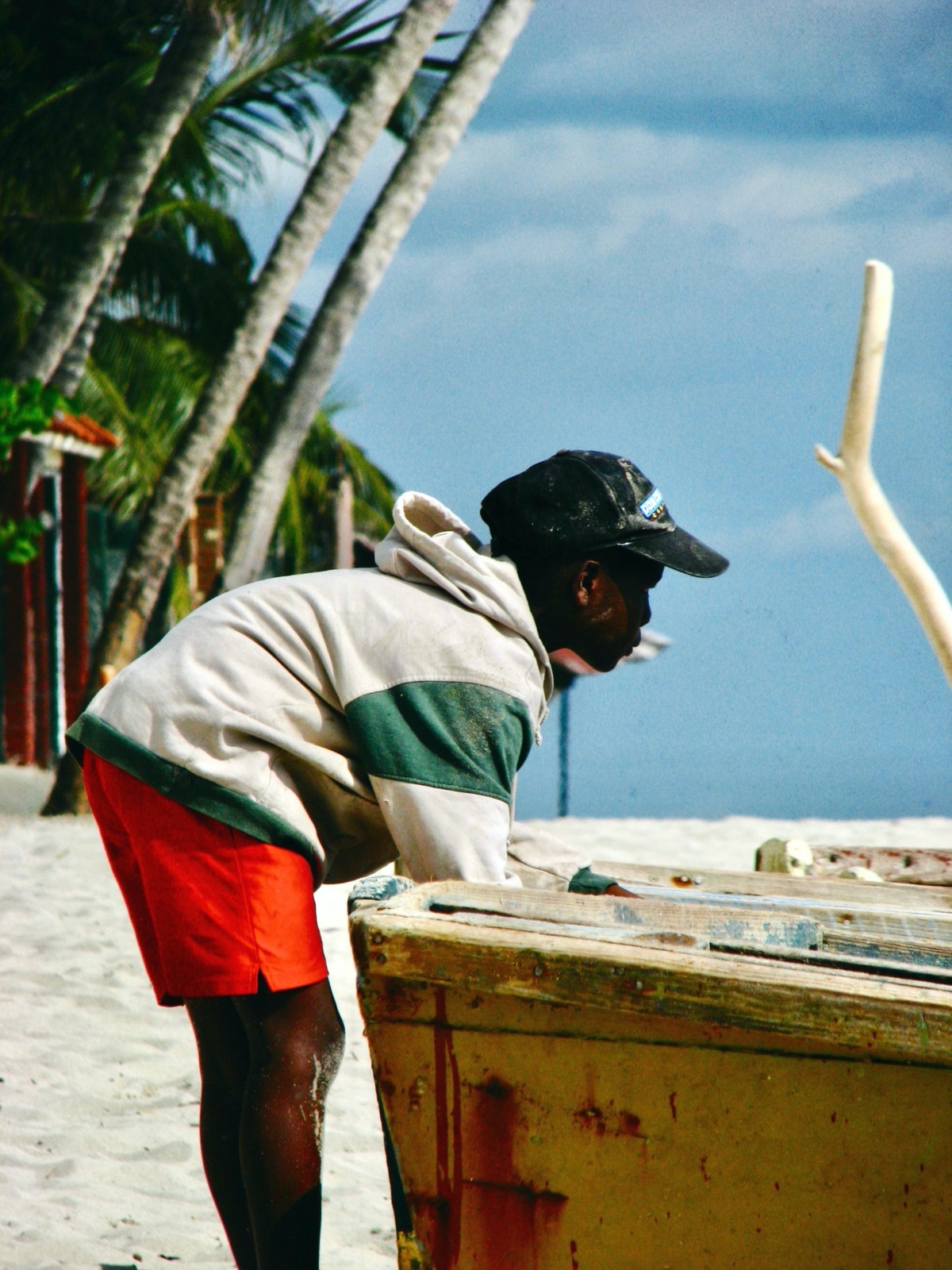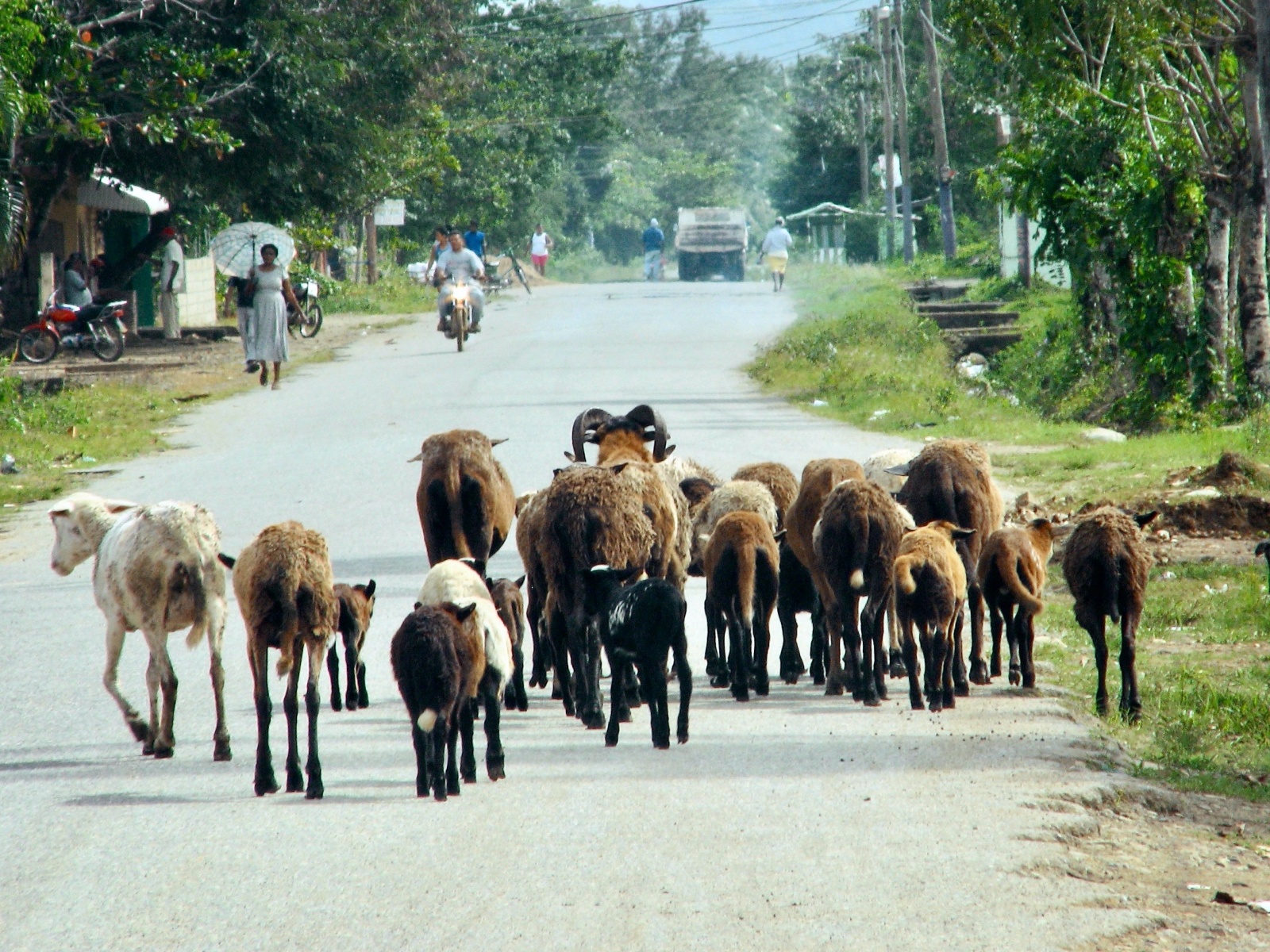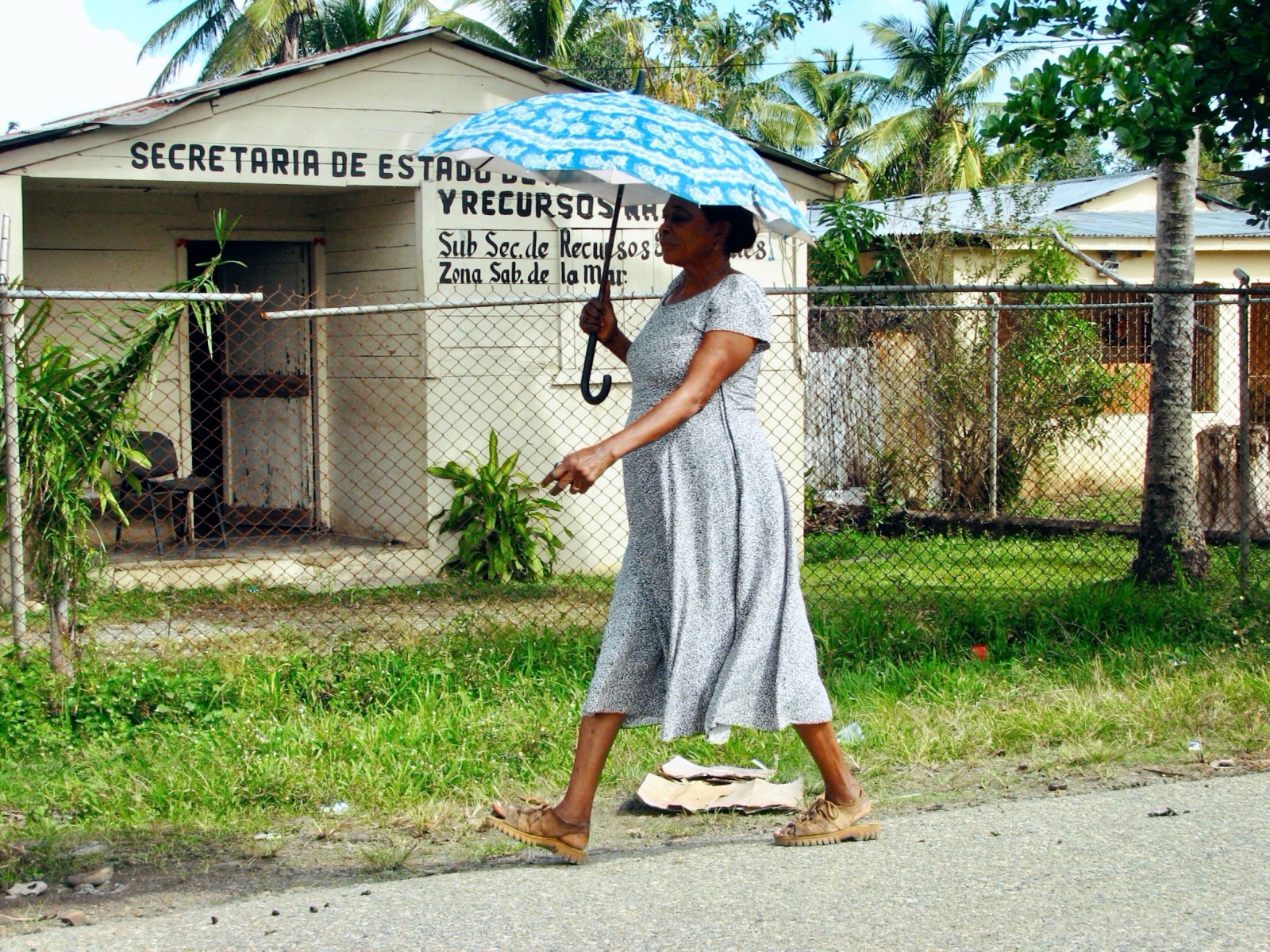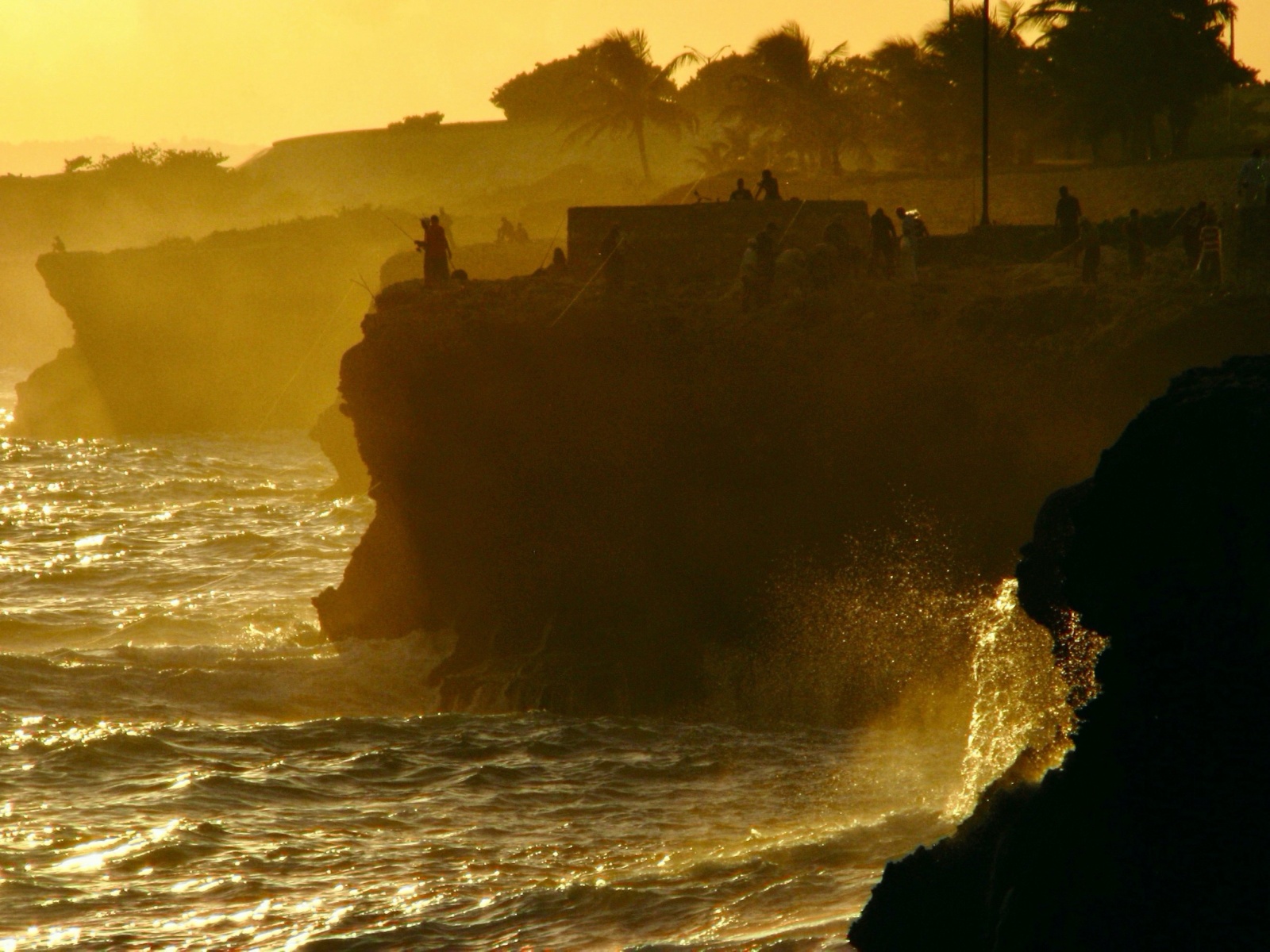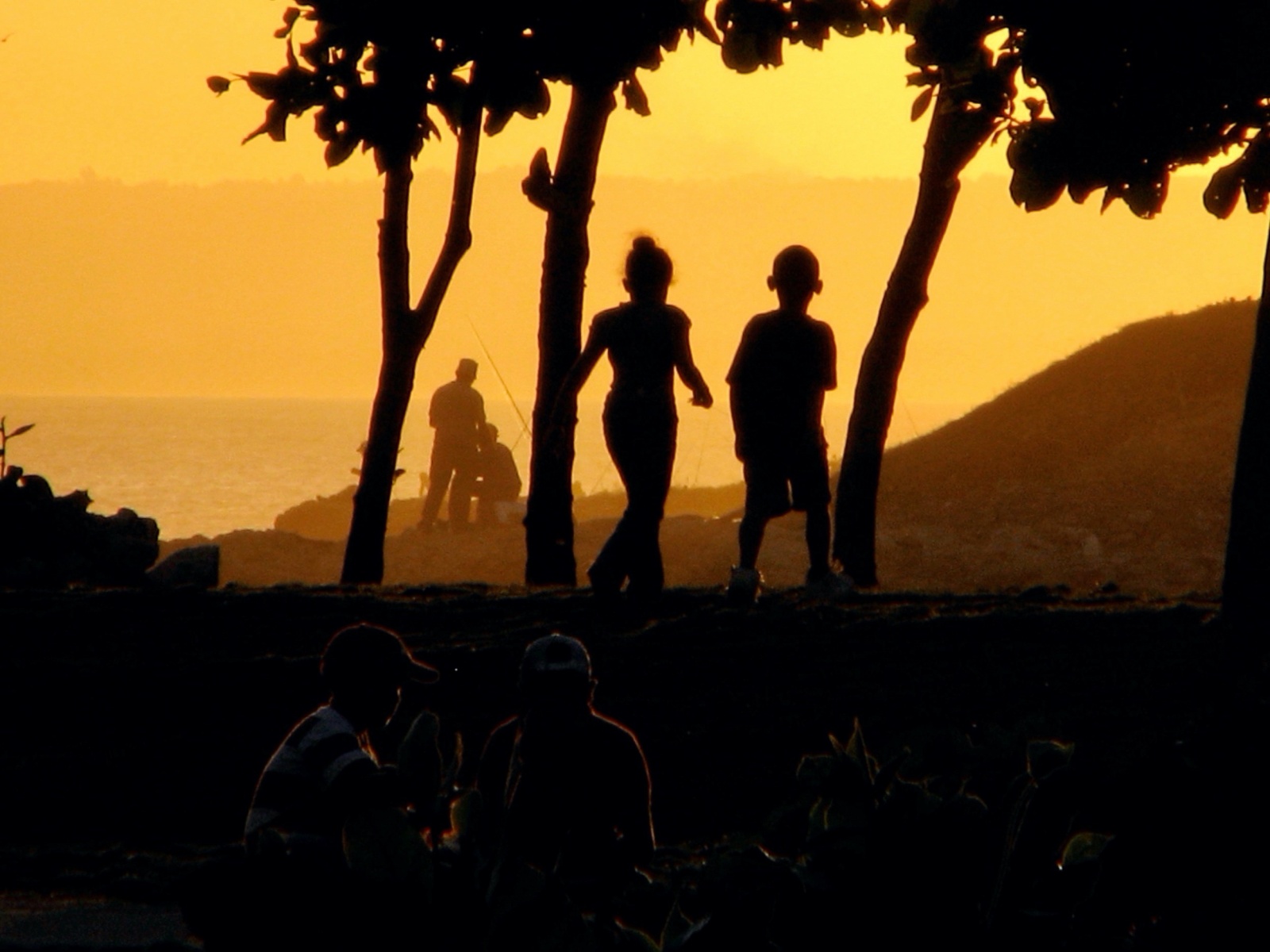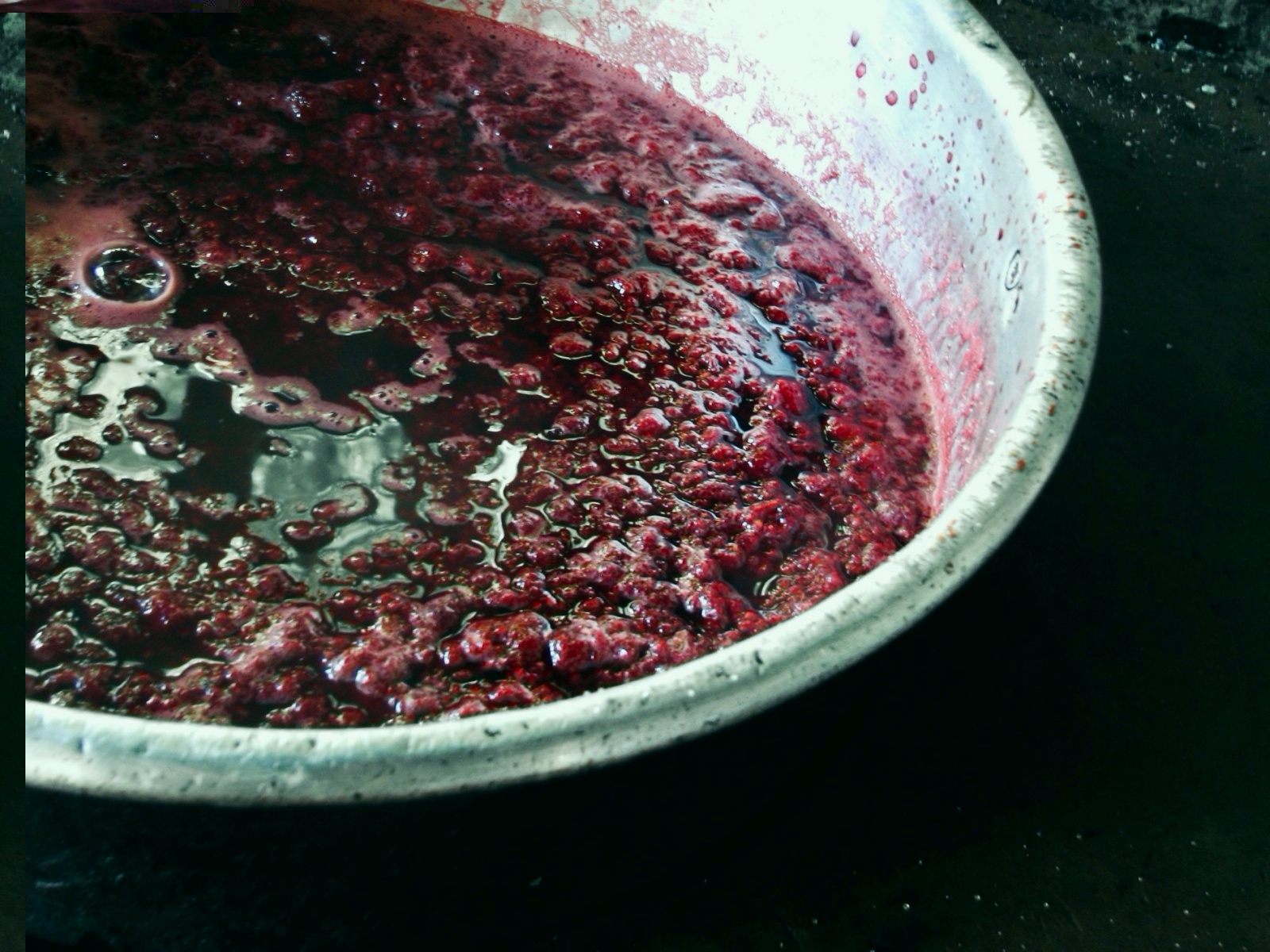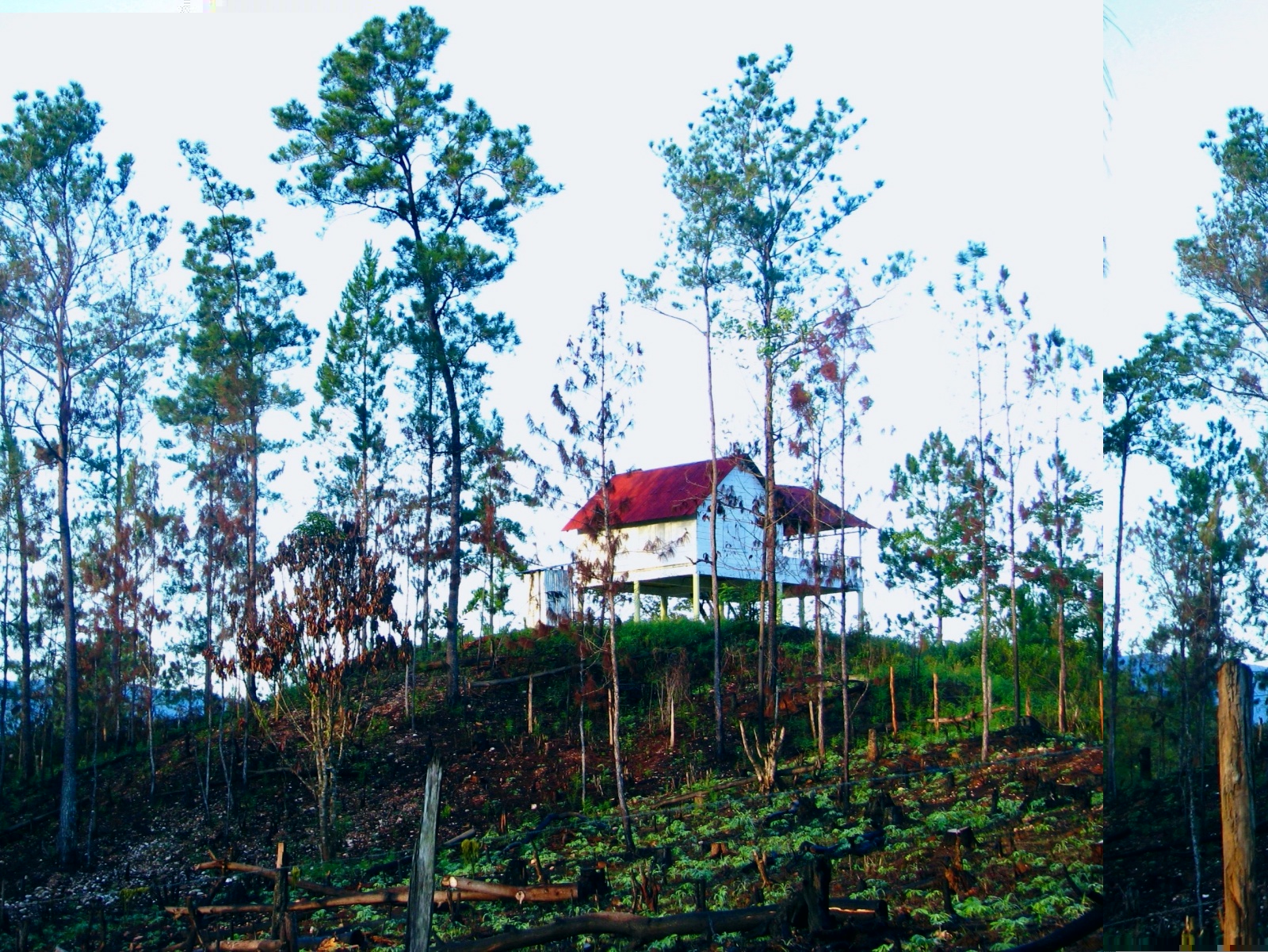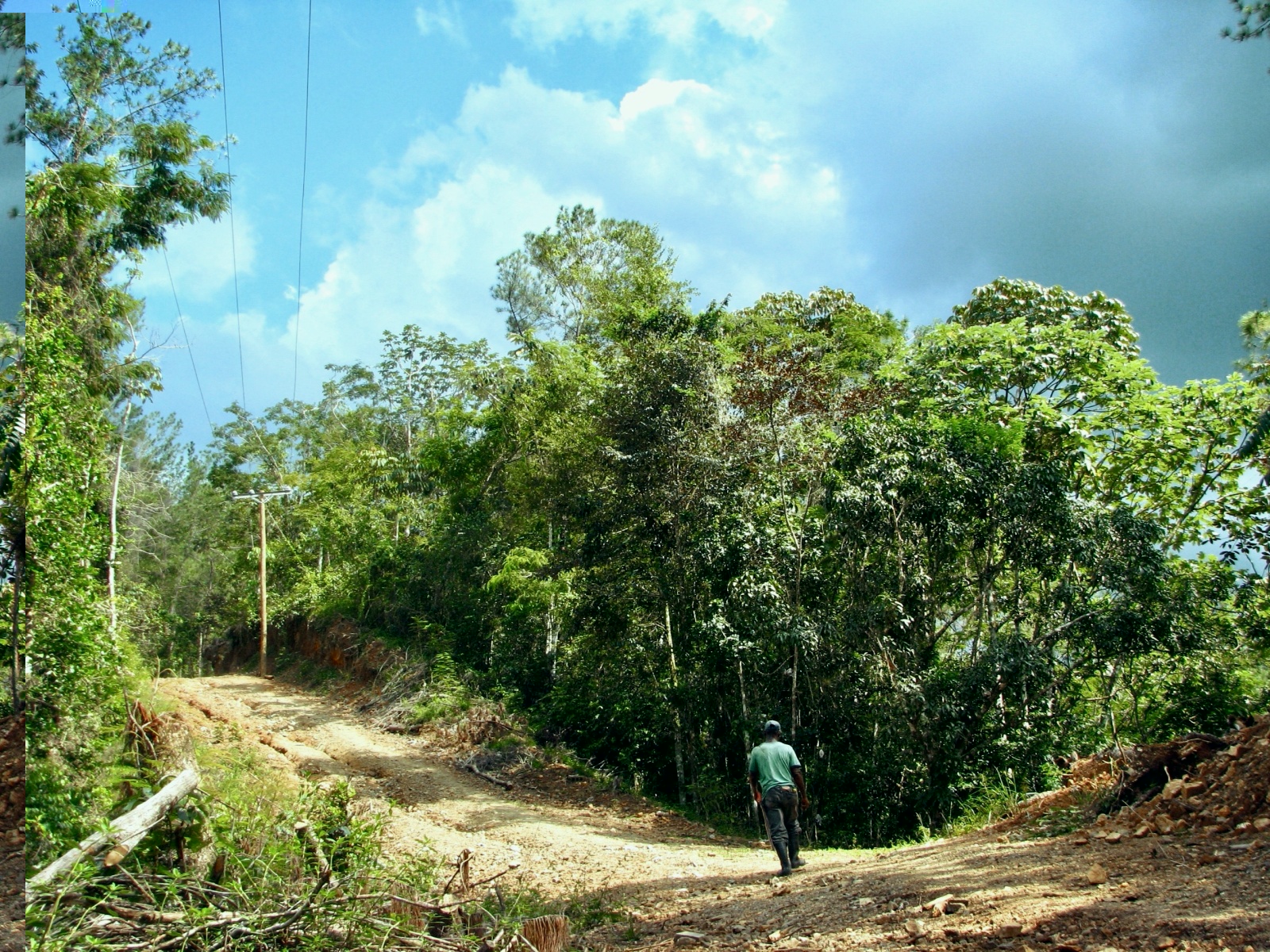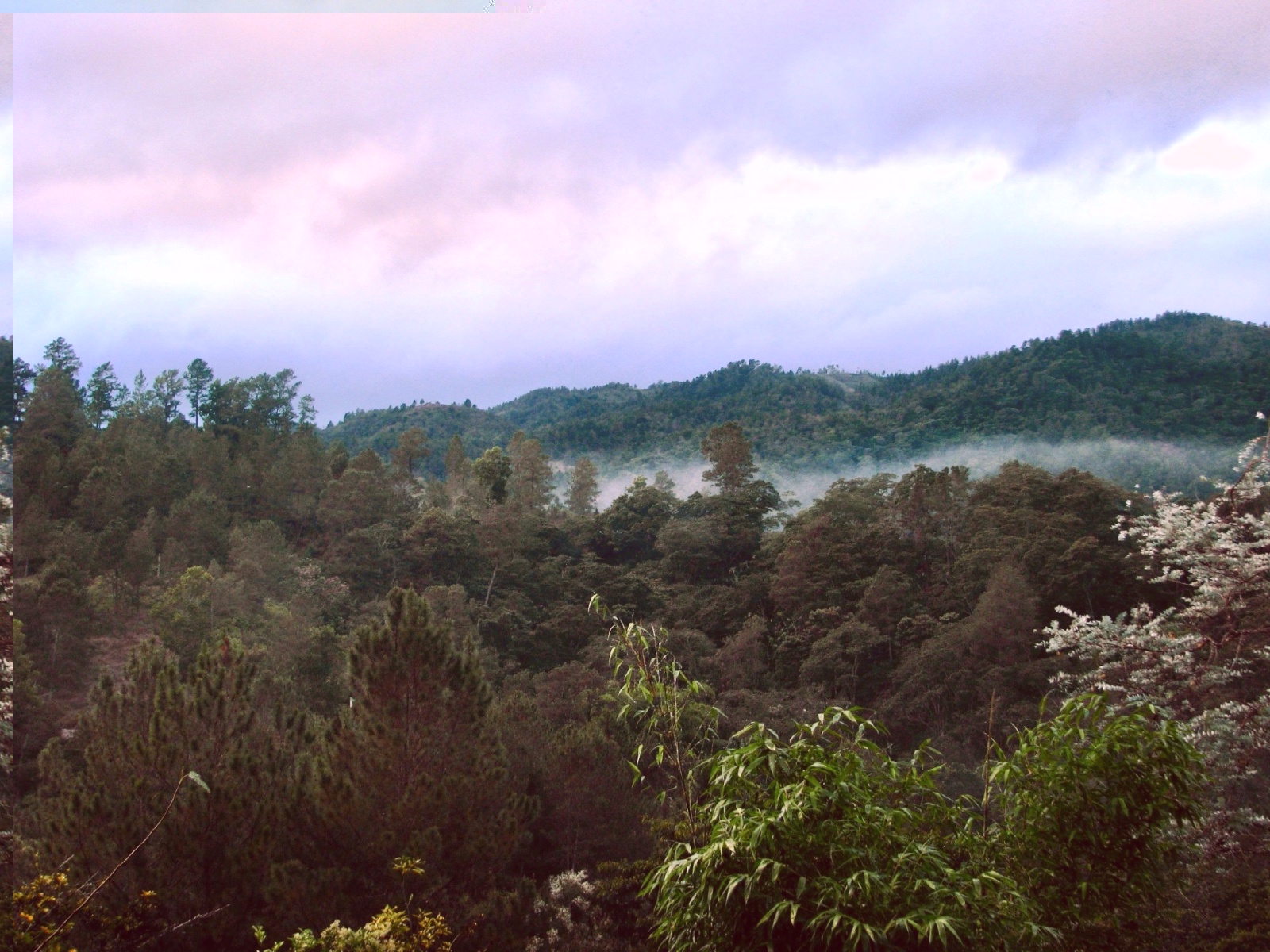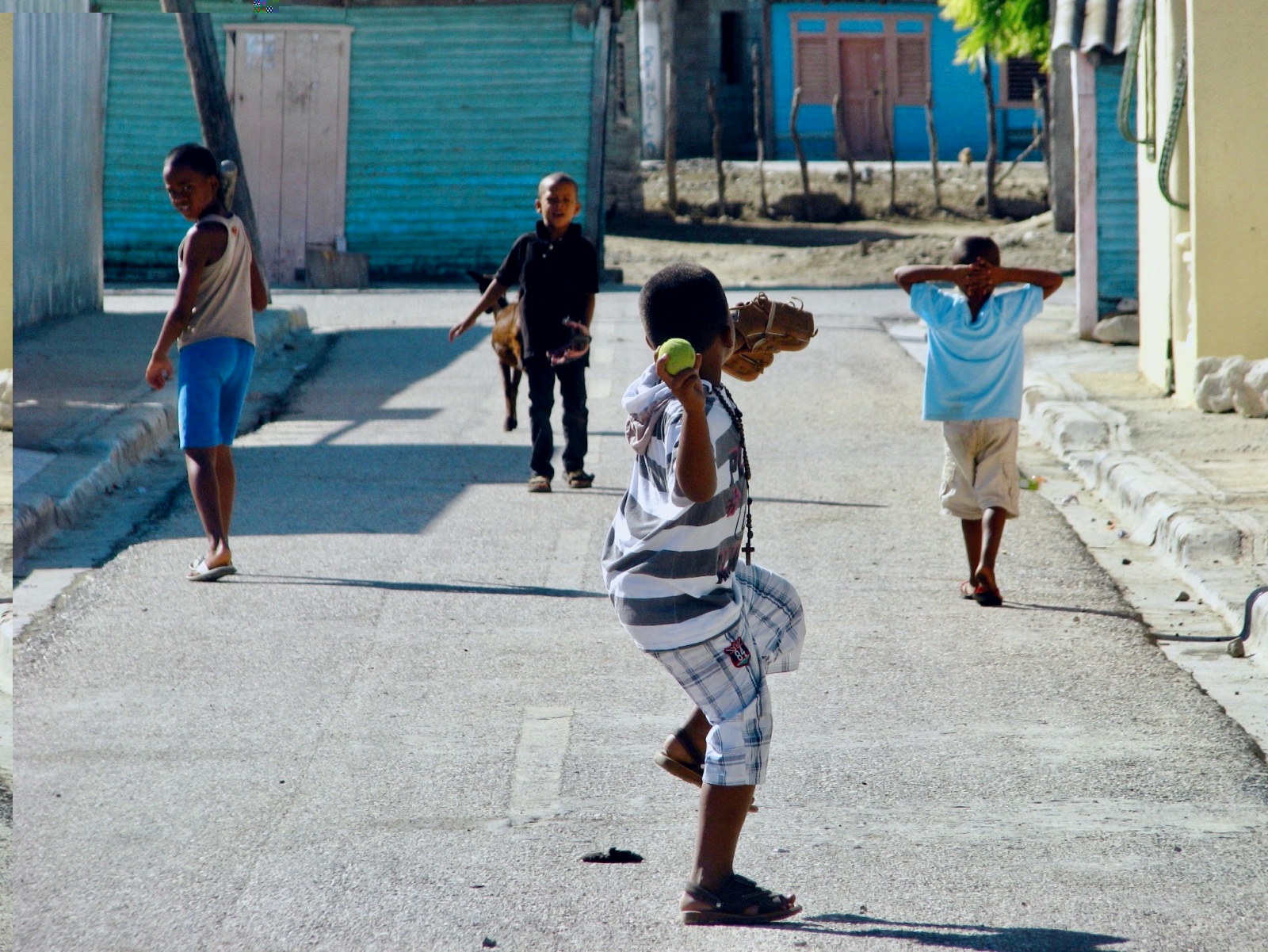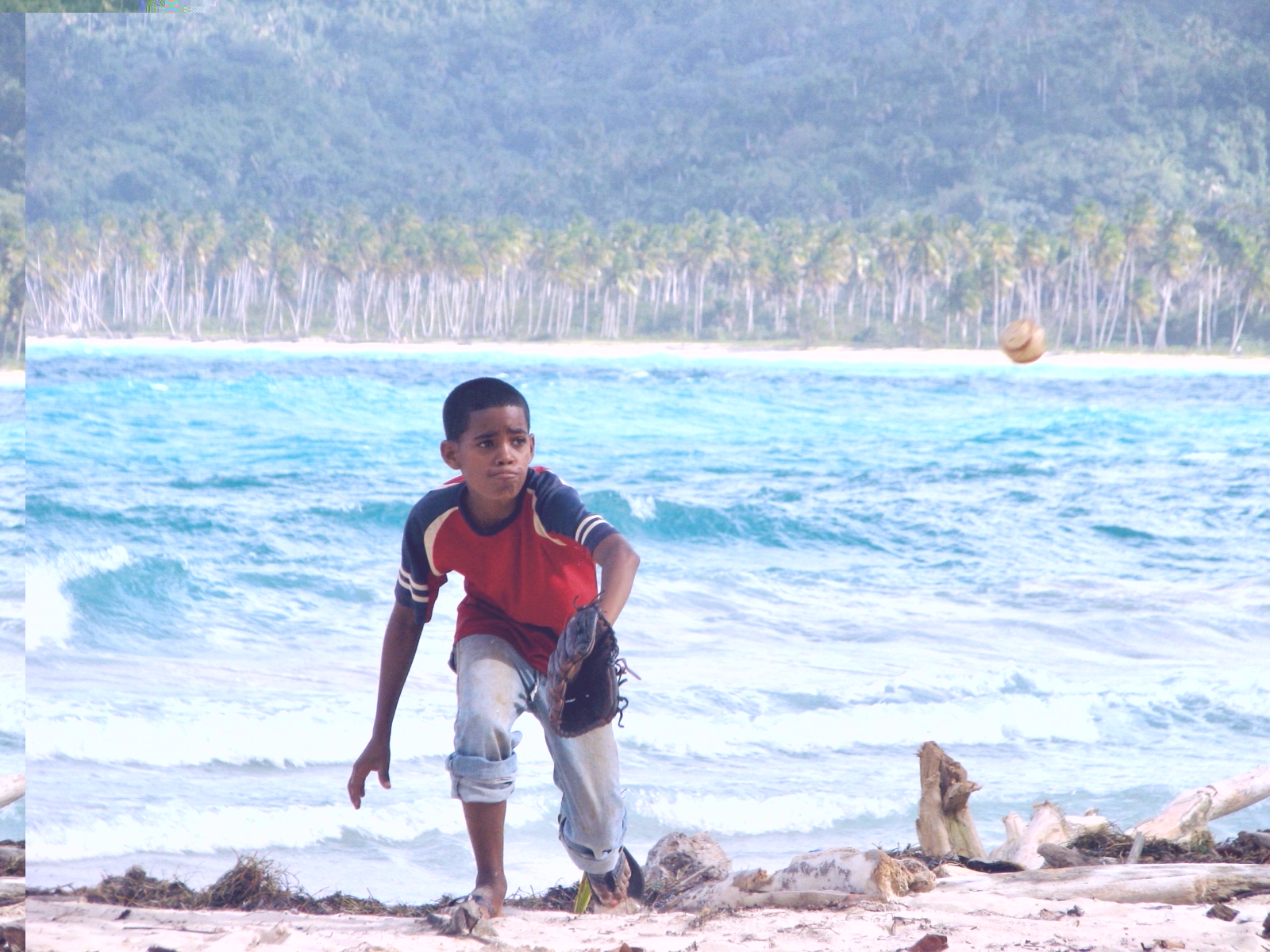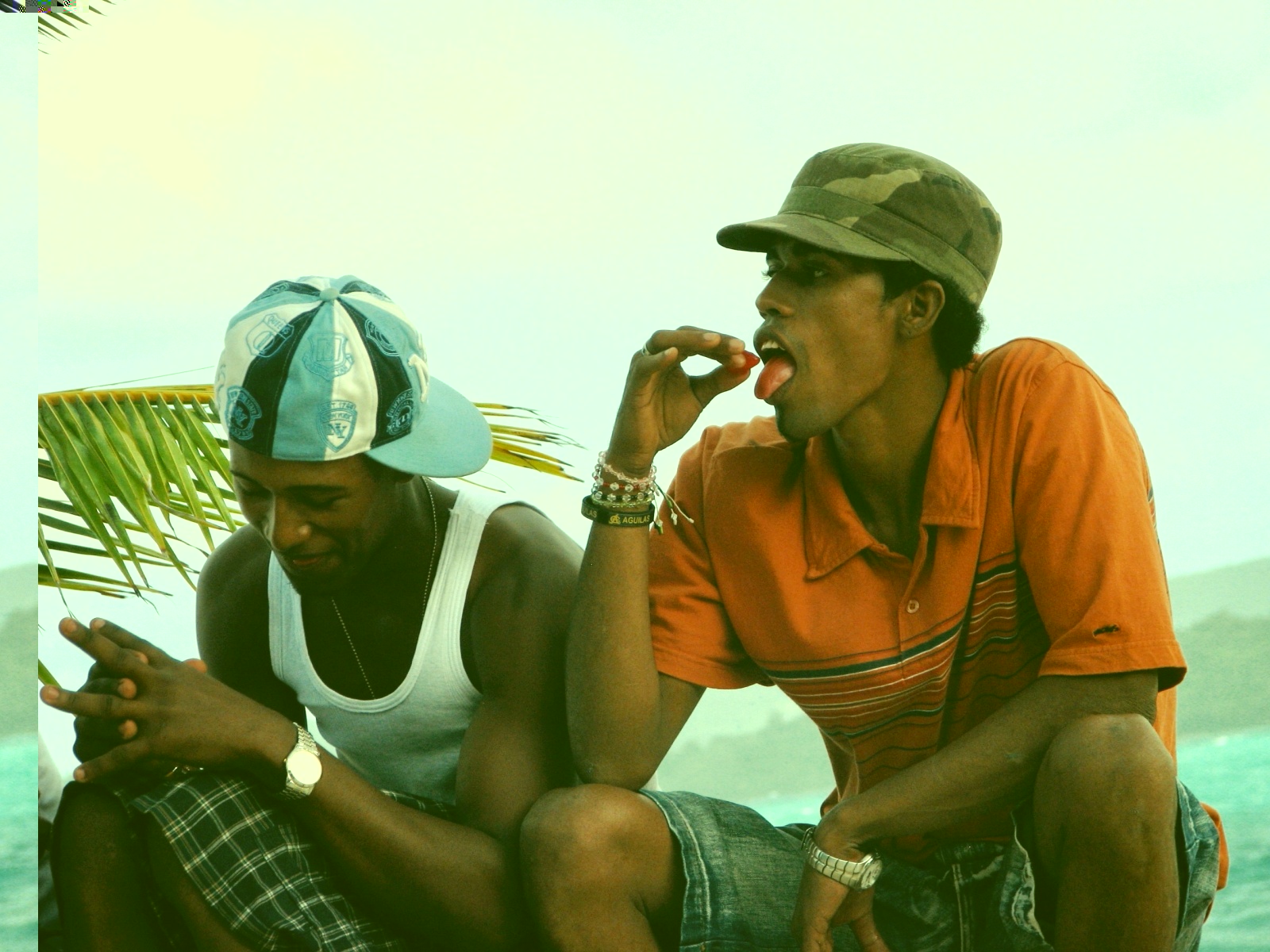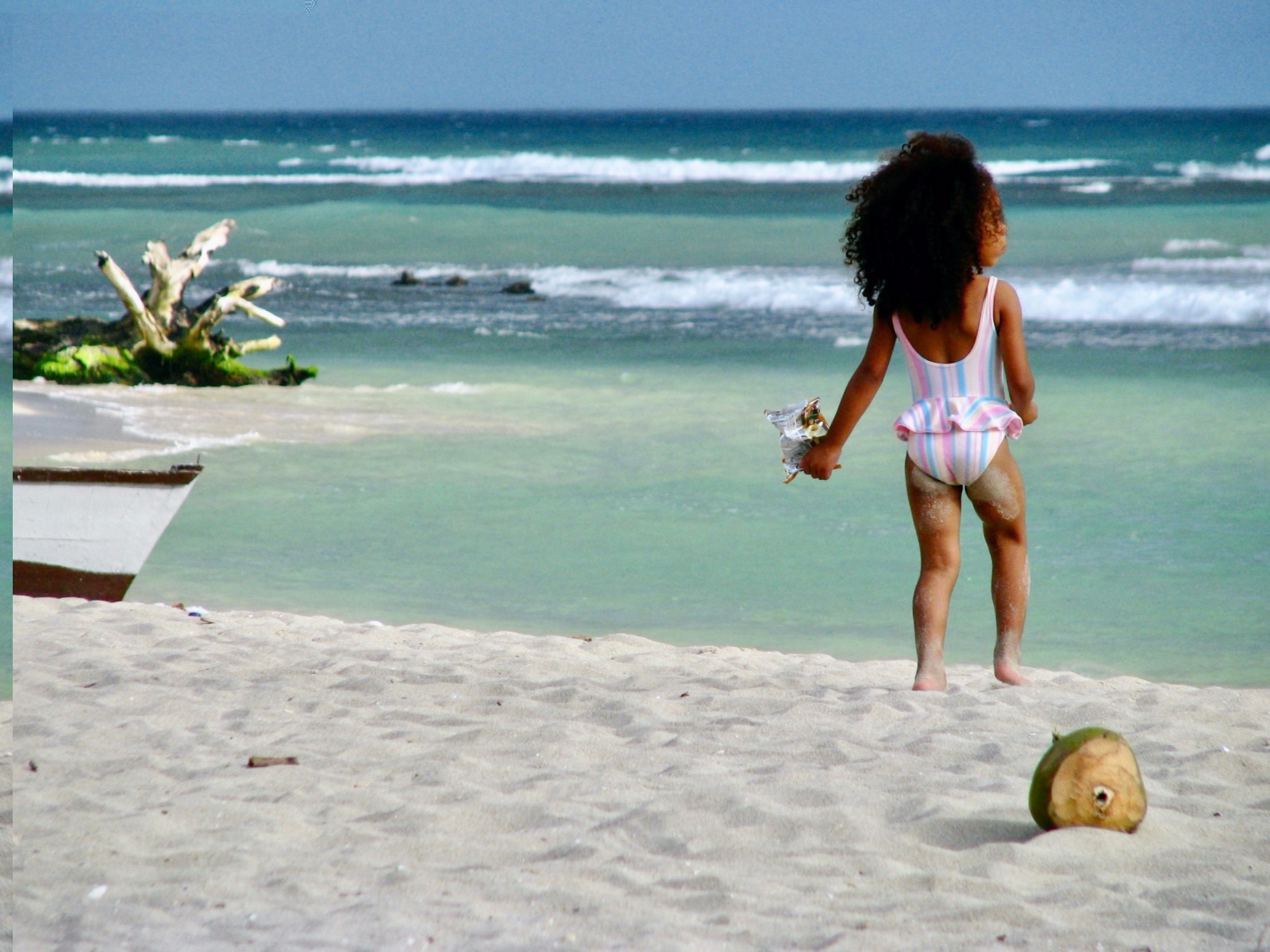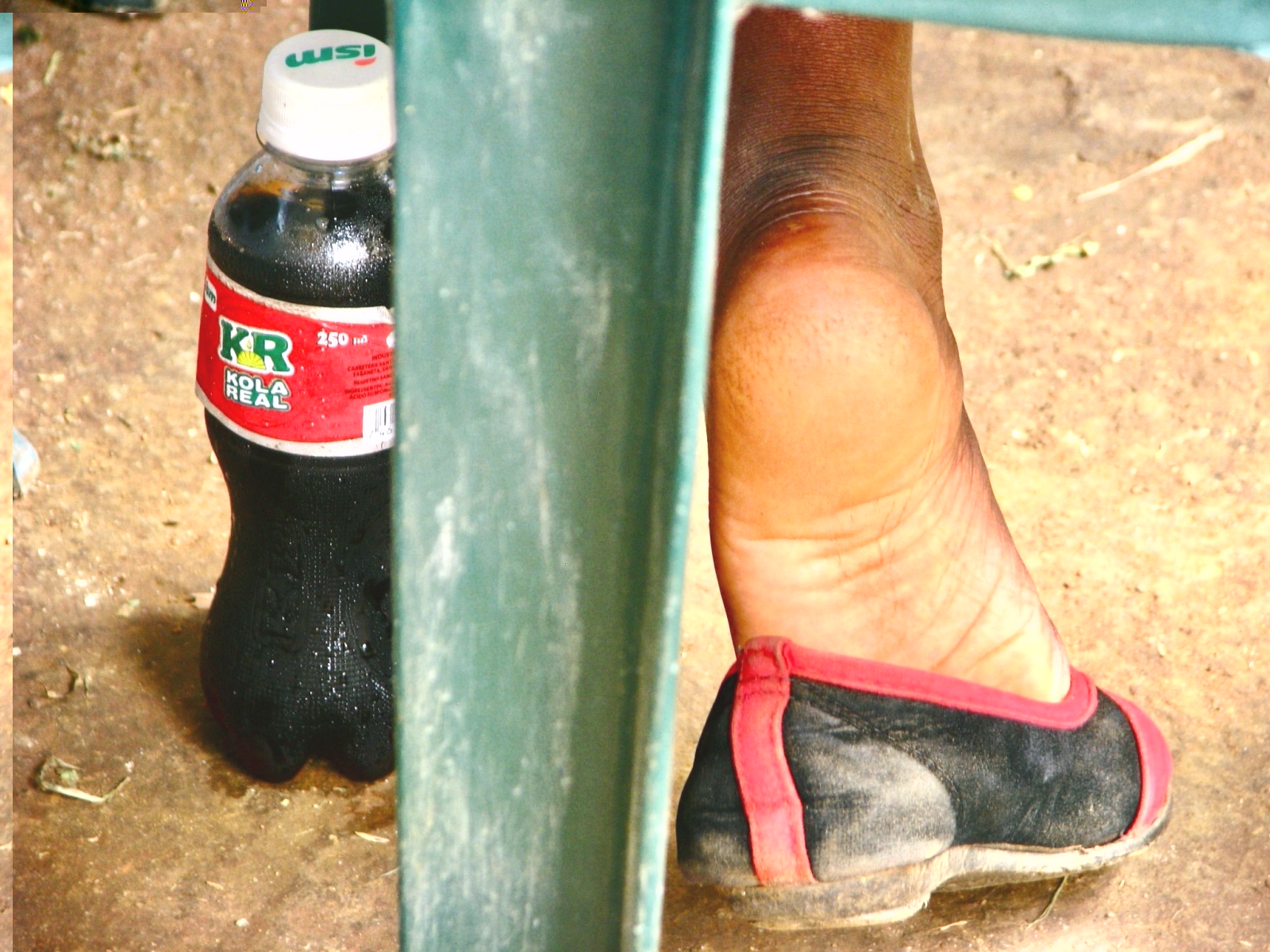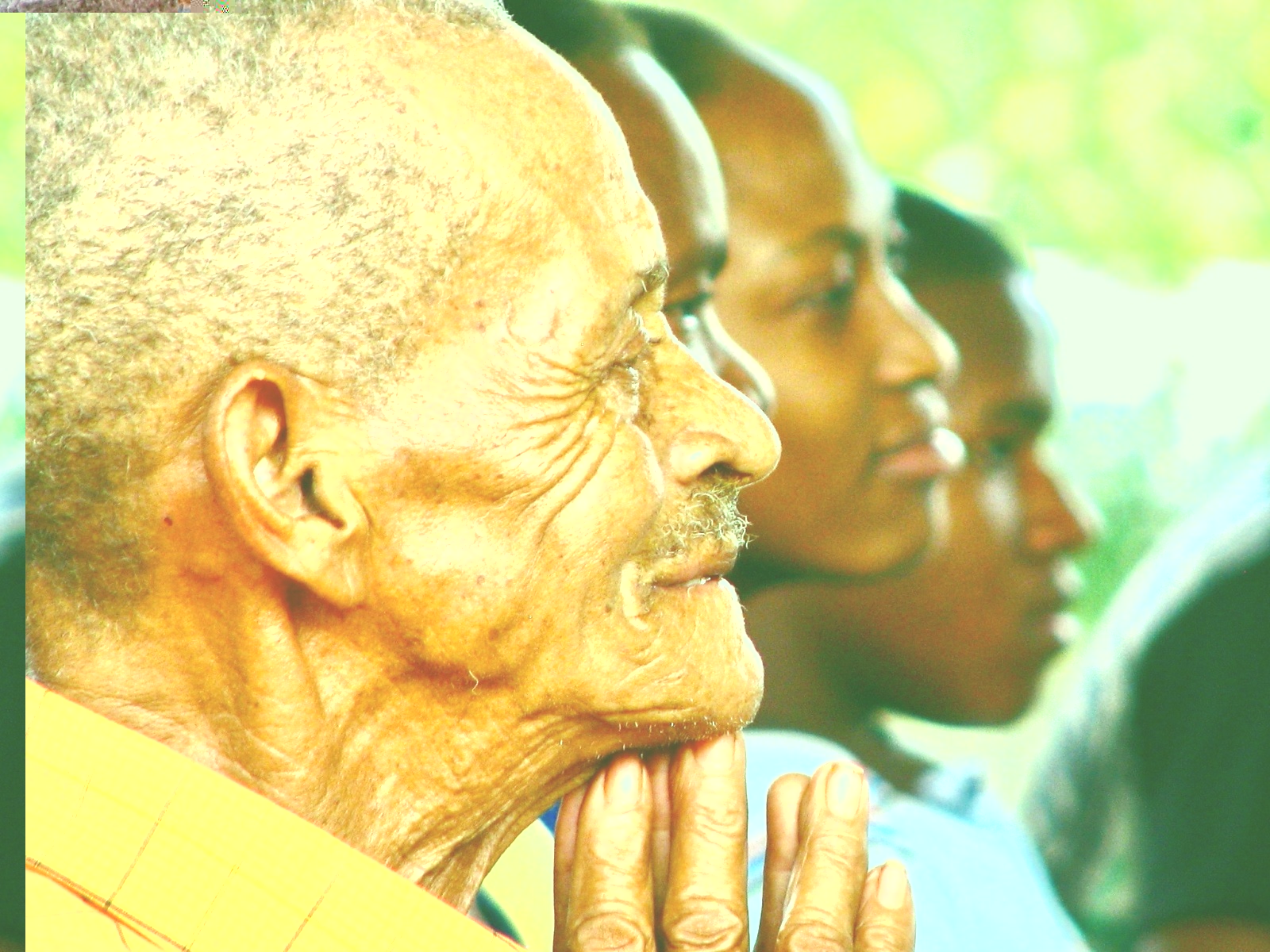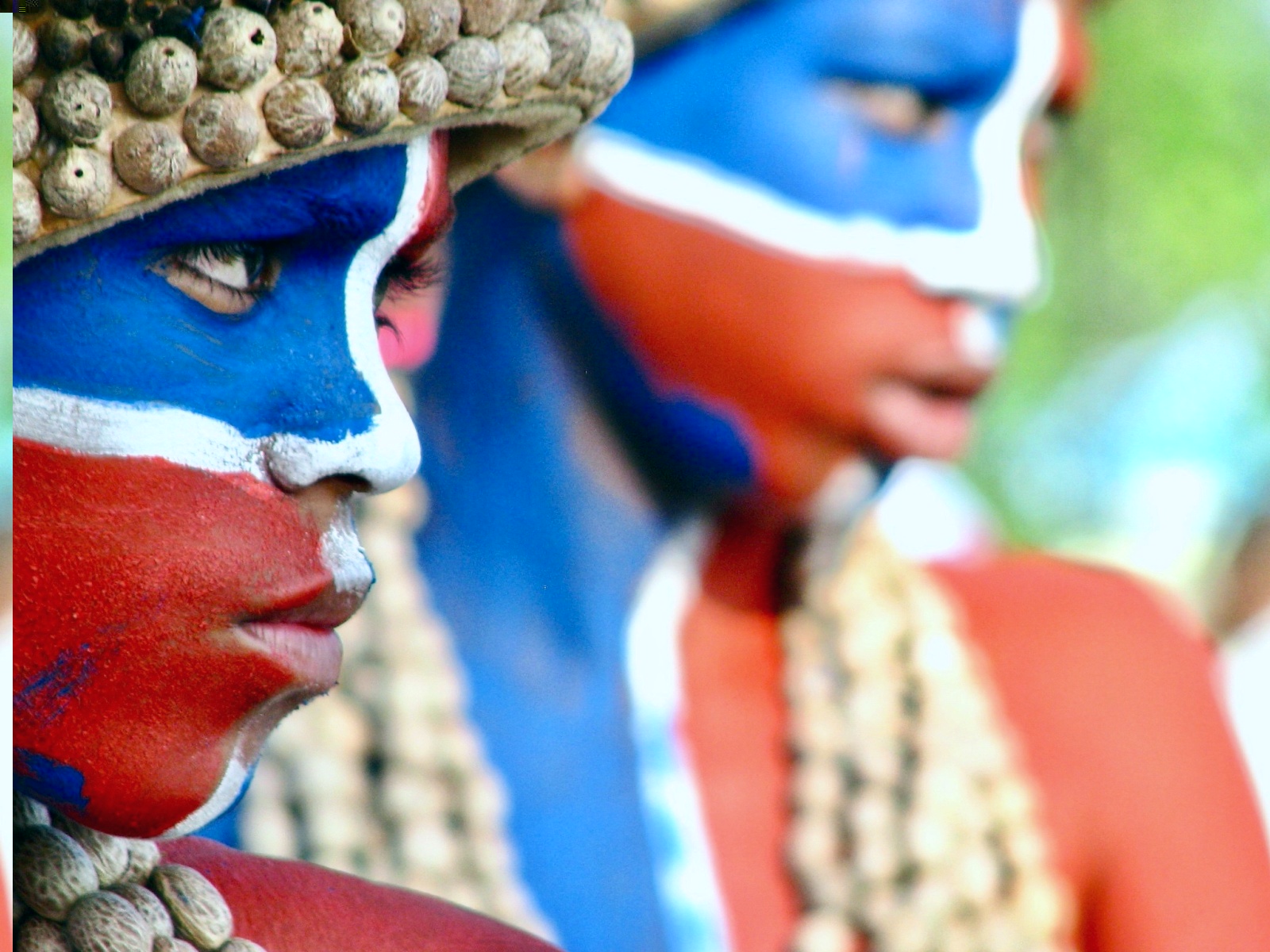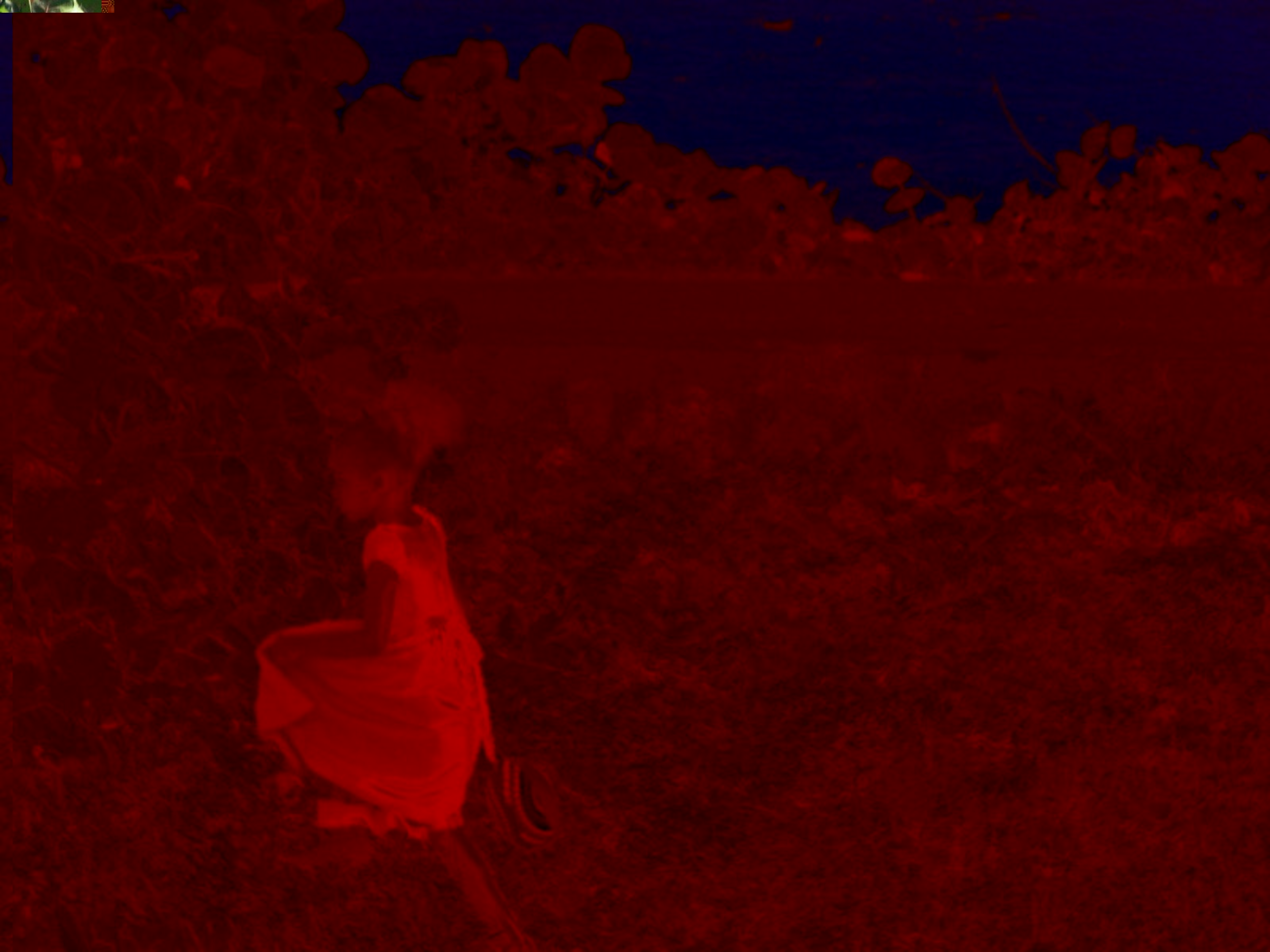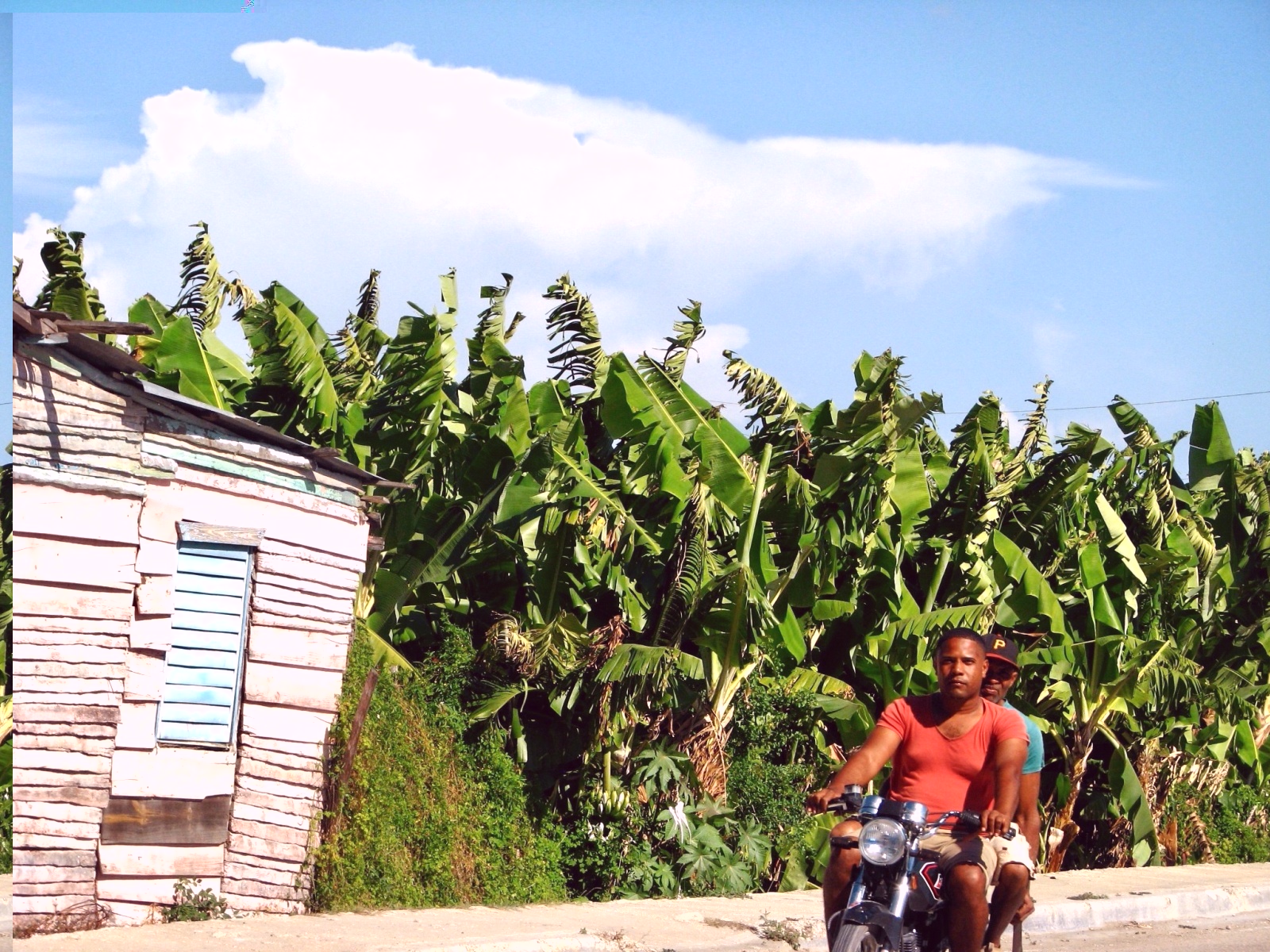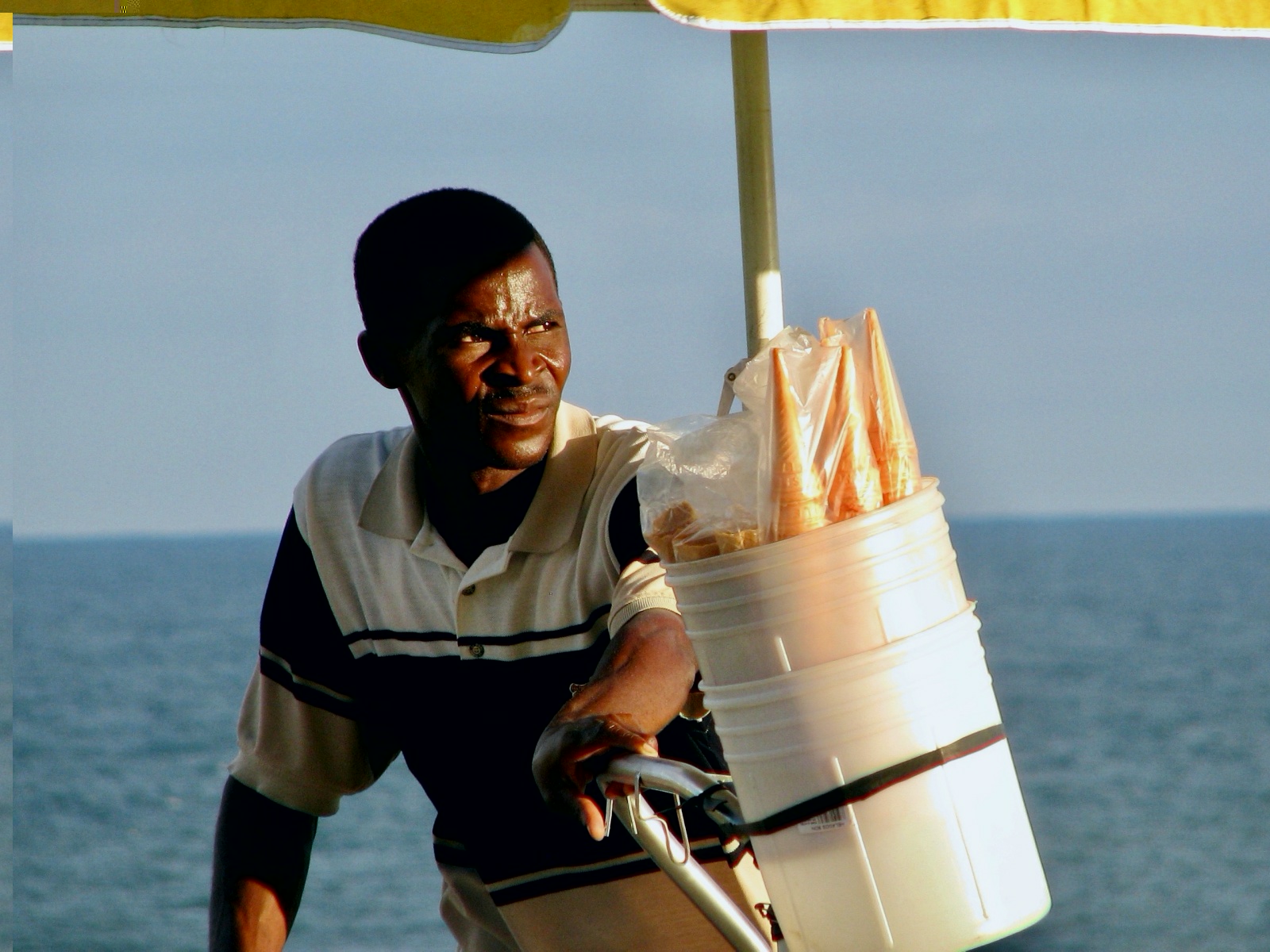
Caribe, la otra caraAway from tourist enclaves and postcards, the Dominican Republic reveals itself as a lived landscape shaped by fog-laden hills, casabe cooked over wood-fired stoves, trucks heavy with tayota heading toward the island’s main markets, and goats wandering along trafficked roads.
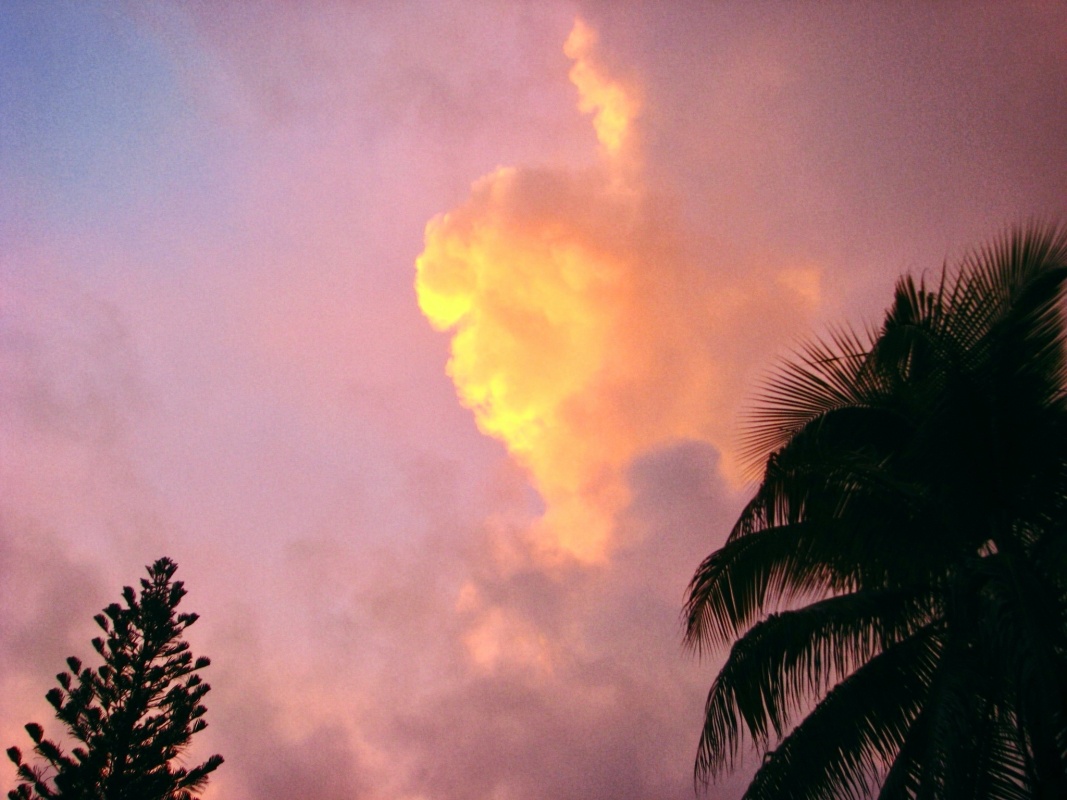
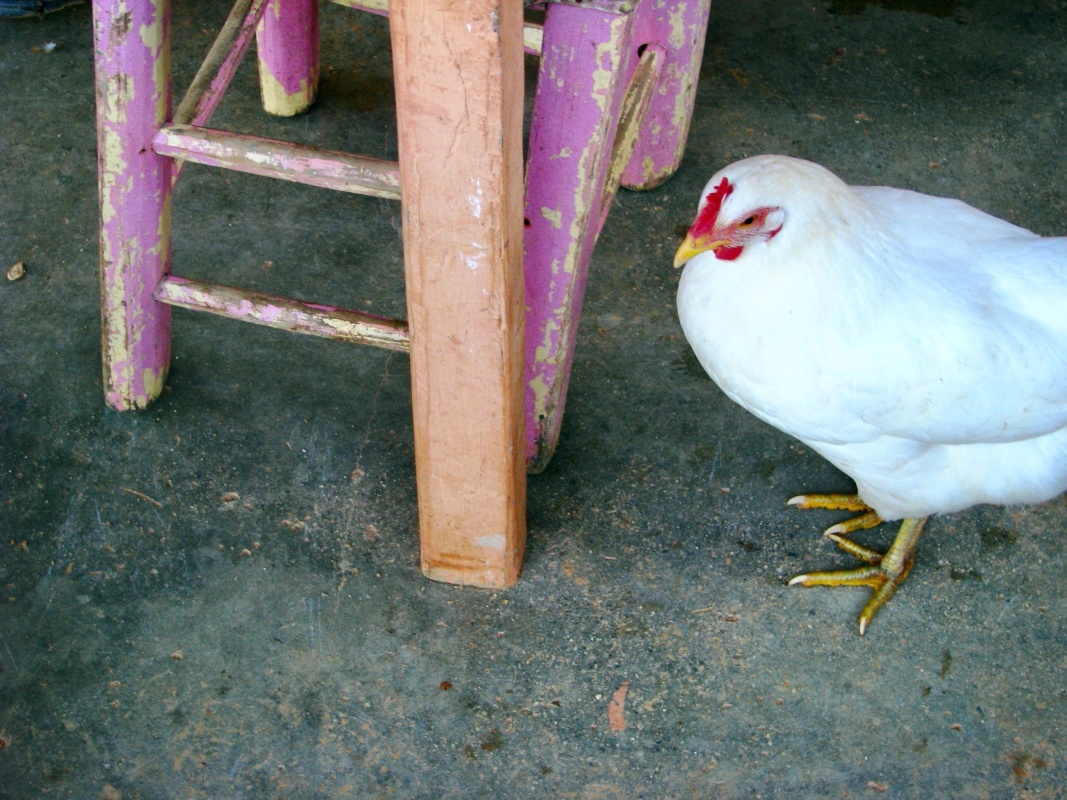
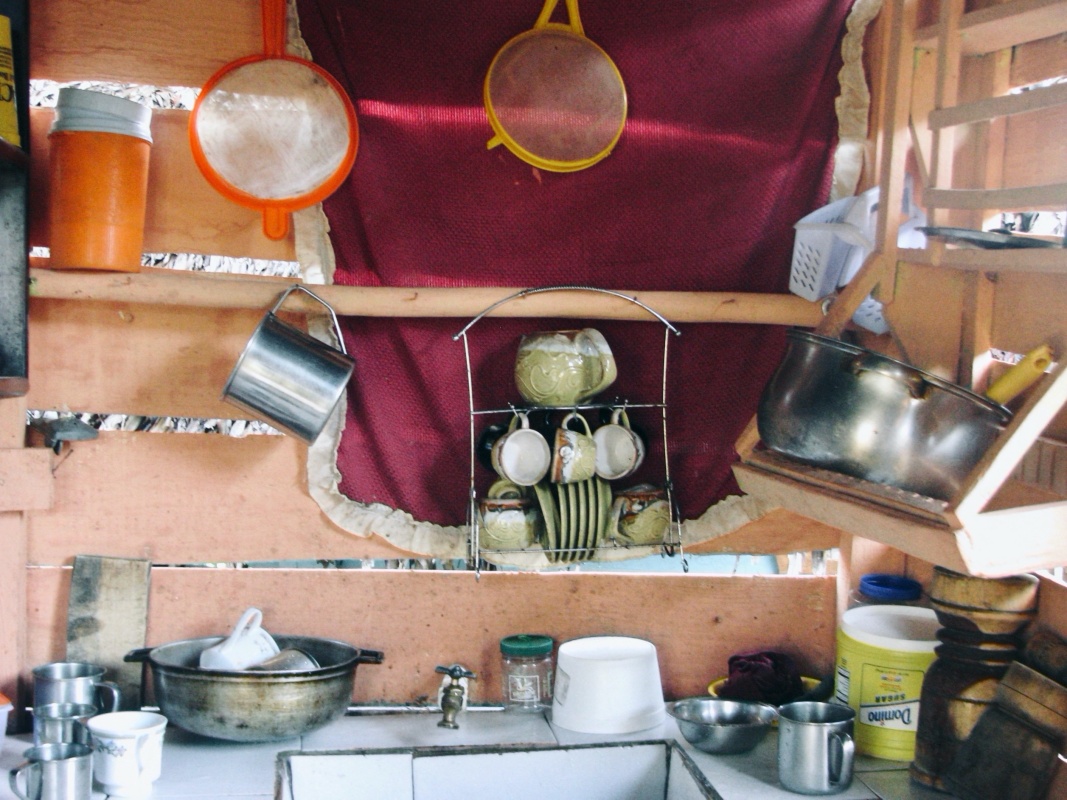
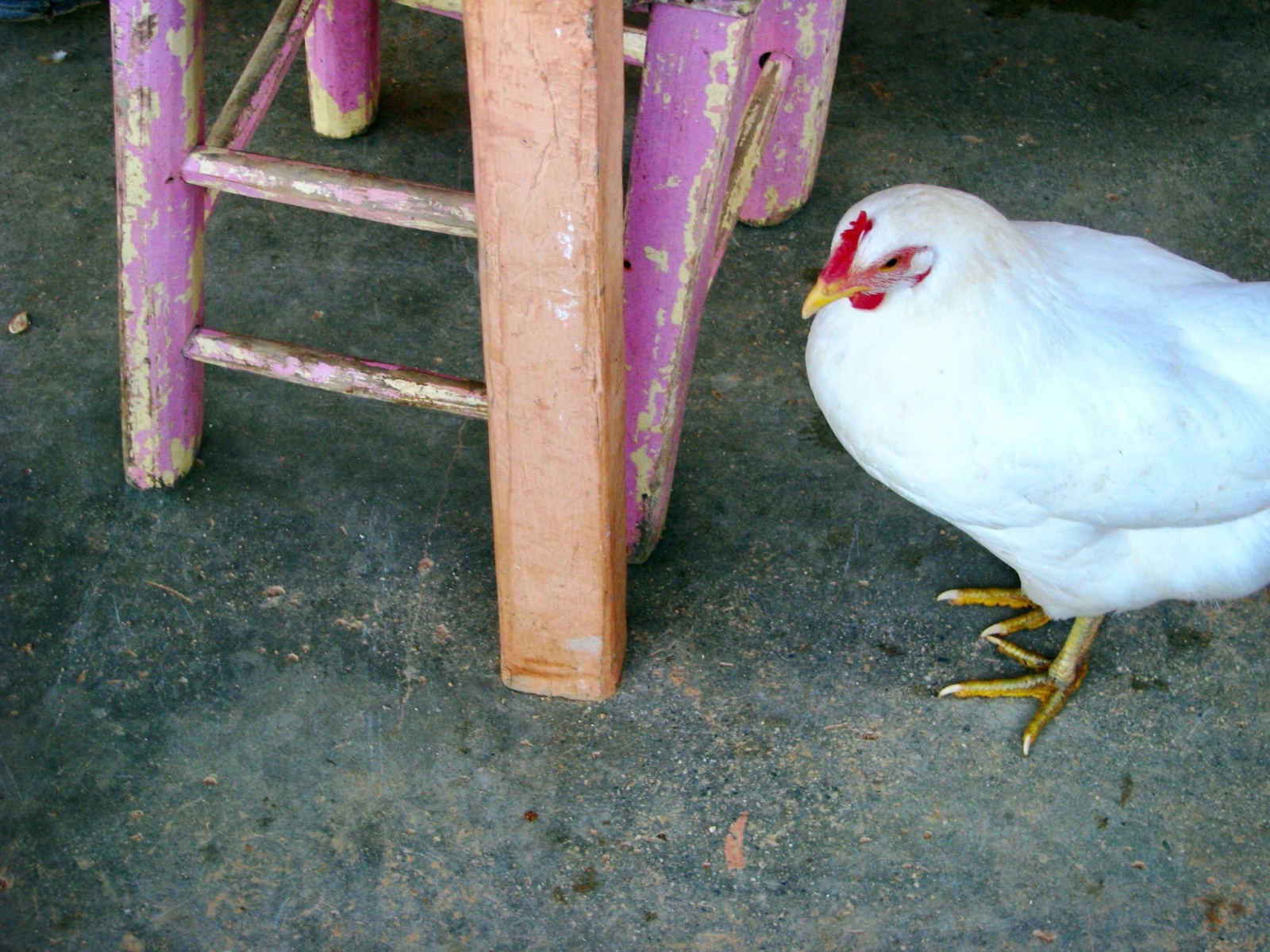
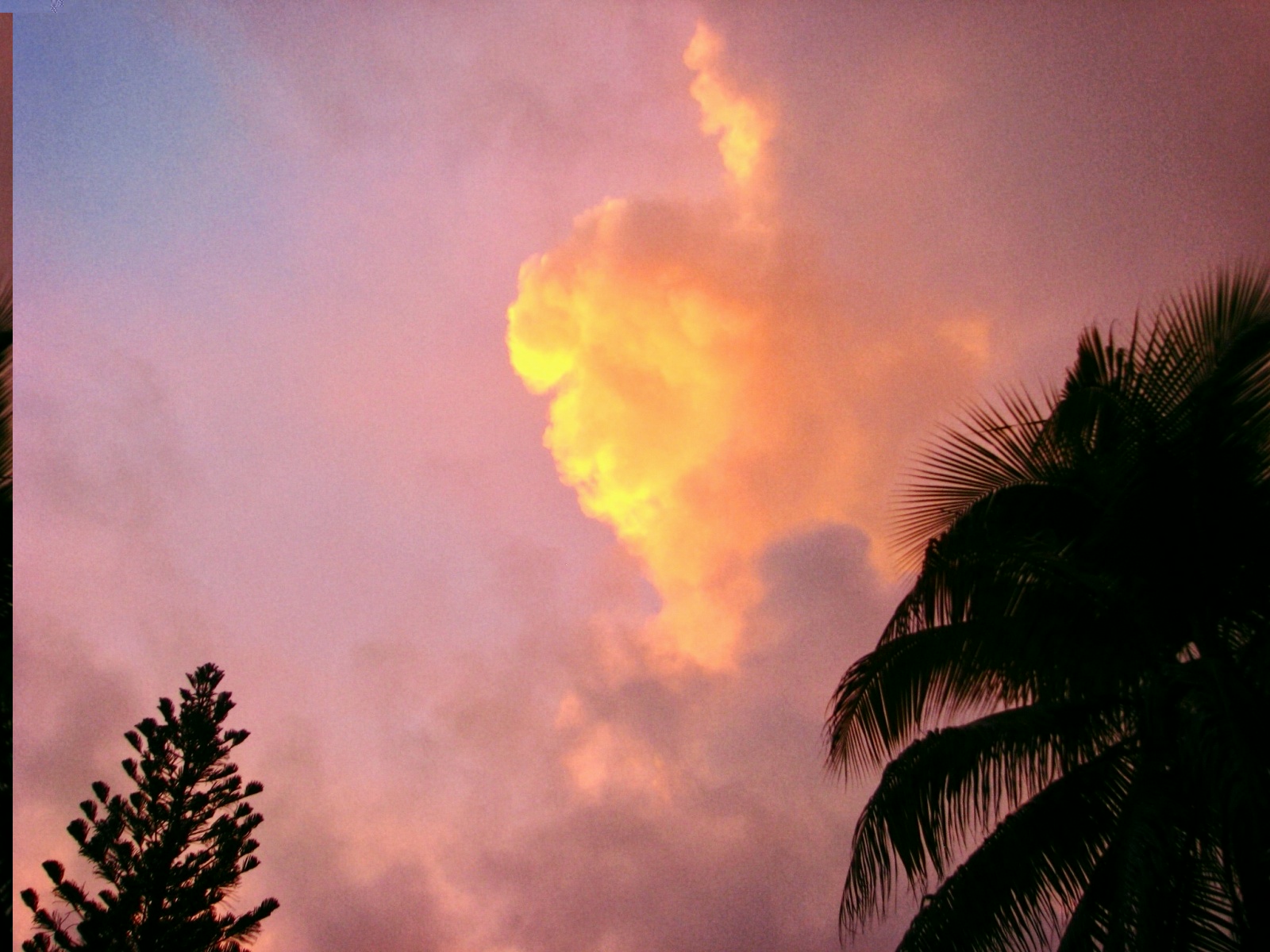
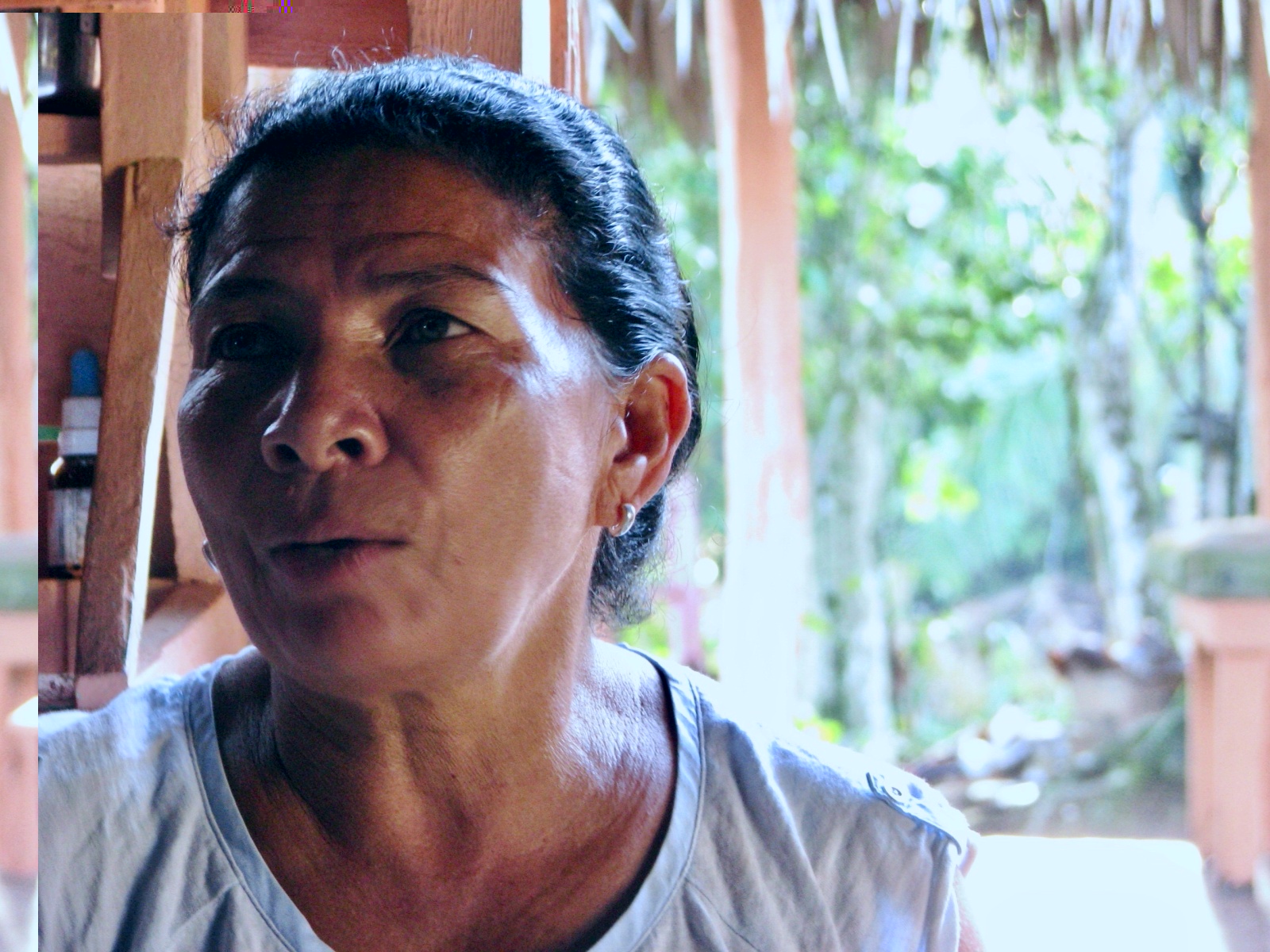
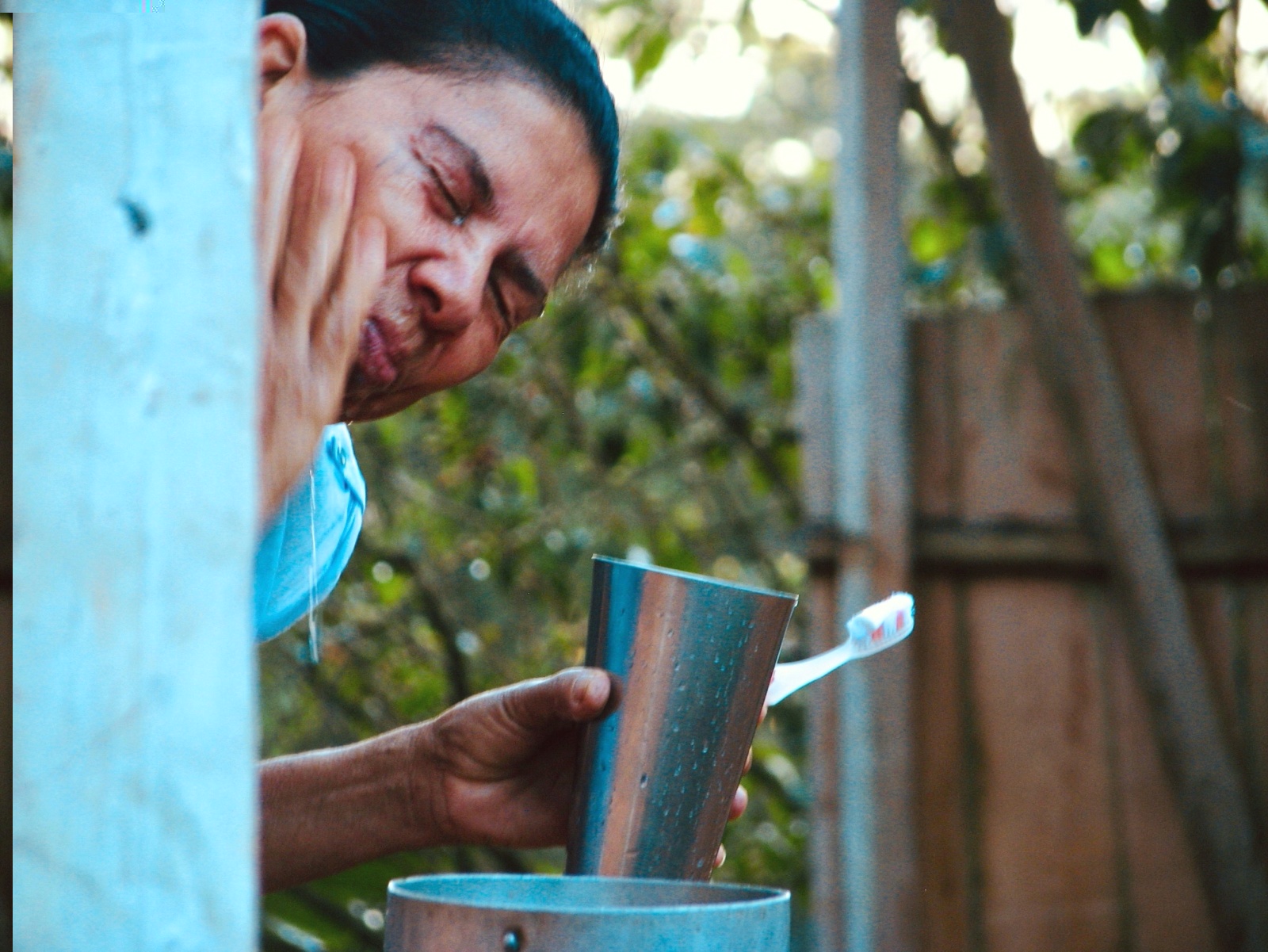
Mornings in the mountain heart of the Caribbean begin wrapped in a sweatshirt, in the cool air of the field. We sip coffee from metal cups too hot to hold, and eat scrambled eggs while chickens dart between our feet. “Does it ever happen that someone goes off alone for a walk in the forest?” I ask Josefina after hours spent surrounded by the community: cohesive, present, busy building, negotiating, fixing, deciding. “No” she laughs, “We’d think they were locos.” Two seasons follow one another: Verano and Infierno. Along the seafront, coconuts are split open with a machete amid the bustle of SUVs with tinted windows reaching air-conditioned shopping centers. After a while, nasal secretions mix with dark fragments of heavy metals. It turns out that mangoes, too, are seasonal: the man at my habitual stand offers me papaya instead, as a small consolation. He warns me not to leave my long braid resting down my back: someone might cut it, because pelo bueno sells well. Away from tourist enclaves and postcards, the Dominican Republic is a place lived from within, dense with work, heat, and movement. Pressed under the weight of heavy clouds, and then released into color. [2011-2013-2014] |